


Insurance for Bail Bondsman: Top 5 Essential Tips 2024
Insurance for bail bondsman is an essential component that provides protection for both agents and defendants in the bail bond industry. Bail bondsmen play a critical role by facilitating defendants’ temporary release while awaiting trial. This role, however, involves financial risks, making insurance indispensable. Insurance for bail bondsman offers coverage that safeguards against the financial liabilities when defendants fail to appear in court.
Key Points:
– Provides financial protection for bail bondsmen.
– Covers liabilities if defendants miss court dates.
– Required by courts to ensure an agent’s financial security.
As a fractional Chief Marketing Officer and thought leader in branding, I have assisted organizations like Palmetto Surety Corporation in navigating the intricacies of insurance for bail bondsman. My expertise involves crafting strategies that meet the fundamental needs of this industry. This knowledge aids bail bondsmen in managing the complexities of insurance requirements, allowing them to better serve their clients.

Understanding Bail Bond Insurance
What is Bail Bond Insurance?
Bail bond insurance is a safety net for bail bondsmen. It acts as a guarantee to the court that a defendant will show up for their court dates. If the defendant skips a court appearance, the insurance helps cover the financial loss.
Here’s how it works: When a defendant can’t afford bail, a bail bondsman steps in. The bondsman posts a bail bond, which is like a promise to the court. If the defendant doesn’t show up, the bail bondsman is on the hook to pay the full bail amount. This is where insurance comes in handy. It protects the bondsman from having to pay out of pocket.
Why Bail Bondsmen Need Insurance
Bail bondsmen face significant financial risks in their line of work. Without insurance, they could face large financial losses if defendants fail to appear in court.
Insurance for bail bondsmen provides essential financial protection and shields them from these liabilities. It also ensures they can continue to meet their obligations without risking their own financial stability.
- Protection Against Liability: If a defendant doesn’t show up, the bondsman is liable for the full bail amount. Insurance covers this risk.
- Meeting Court Requirements: Courts often require bondsmen to have enough assets or insurance to cover potential losses. This ensures the bondsman can fulfill their obligations.
- Peace of Mind: With insurance, bondsmen can operate with confidence, knowing they are protected from financial fallout.
Insurance for bail bondsmen is not just a legal requirement but a vital tool that enables them to perform their duties effectively. It provides the necessary protection and security to handle their responsibilities, ensuring both the bondsmen and the defendants they serve are safeguarded.

How Bail Bond Insurance Works
The Role of Surety Bonds
Surety bonds are a crucial component of bail bond insurance. They form a three-party agreement involving the principal, obligee, and surety. In this setup:
- Principal: The defendant who needs bail.
- Obligee: The court that requires assurance the defendant will appear.
- Surety: The bail bondsman or agency providing the guarantee.
The surety bond acts as a guarantee that the principal will meet their obligations, such as attending court hearings. If the principal fails, the surety is responsible for compensating the obligee.
This system ensures the court receives payment if the defendant doesn’t show up, while the bondsman is protected from losing their own money.
Differences Between Surety Bonds and Insurance
Though similar, surety bonds and insurance serve different purposes. Surety bonds are a form of credit, not insurance. Here’s how they differ:
-
Guarantee vs. Protection: Surety bonds guarantee a contractual obligation is met. Insurance provides financial protection against specific risks.
-
Payment Responsibility: If a claim is made on a surety bond, the surety pays the obligee. However, the principal must reimburse the surety. With insurance, the insurer pays the claim, and the insured isn’t required to repay.
-
Obligations: Surety bonds ensure the principal fulfills their obligations, such as court appearances. Insurance covers unforeseen events, like accidents or natural disasters.
In the context of bail bonds, surety bonds provide the guarantee courts need, while insurance offers the financial protection bondsmen require.
Premium, Collateral, and Build-Up Fund
When obtaining bail bond insurance, a bondsman pays a premium to the insurance company. This cost is influenced by factors like credit rating and financial stability.
Bondsmen might also need to provide collateral. This acts as a safety net, ensuring they meet their obligations. If the bondsman defaults, the insurance company can use the collateral to cover losses.
Additionally, a build-up fund (BUF) is often required. This fund serves as a reserve, further securing the bondsman’s commitments. If obligations are met, the BUF can become a valuable asset for the bondsman, potentially serving as a retirement fund.
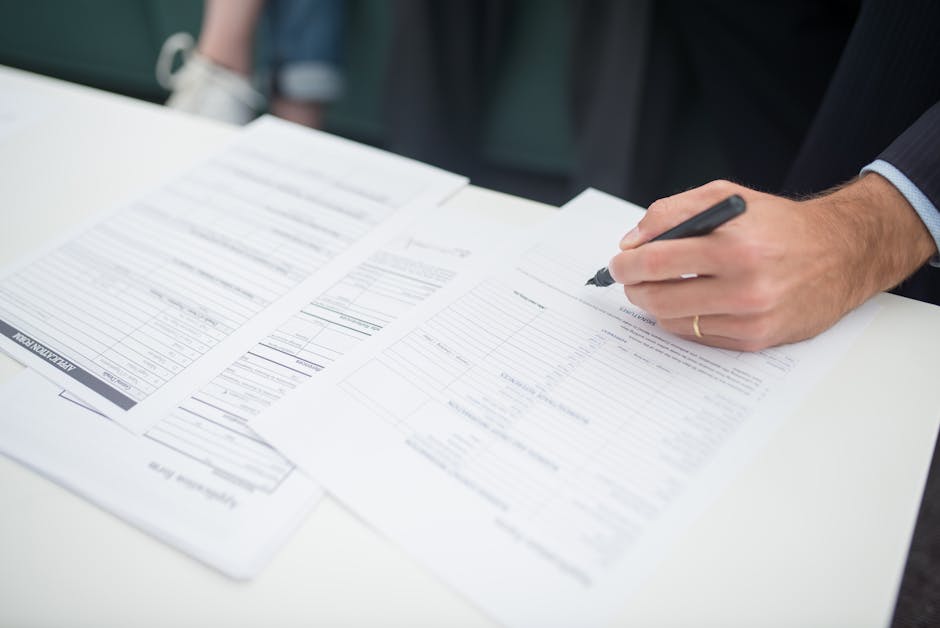
Understanding these components is essential for bondsmen to steer their responsibilities and maintain their financial health. As the next section will explore, obtaining bail bond insurance involves several steps, including licensing and partnering with an insurance company.
Steps to Obtain Insurance for Bail Bondsmen
Licensing and Certification
Becoming a licensed bail bondsman involves several key steps. First, you must meet the state-specific requirements. These often include being of a certain age, having a clean criminal record, and possessing a high school diploma or equivalent.
Next, you need to pass a licensing exam. This exam tests your knowledge of state laws and bail bond procedures. In some states, like New York, candidates must take exams provided by testing services such as PSI Services.
Additionally, fingerprinting is mandatory. This helps ensure that all bail bondsmen maintain a high standard of trustworthiness and integrity. States like New York require all officers and directors of a bail bond business to be fingerprinted as part of the application process.
Finally, stay informed about state regulations. These can vary significantly and may change over time, affecting licensing requirements and operational guidelines. Regularly review your state’s regulations to ensure compliance.
Partnering with an Insurance Company
Once licensed, the next step is to secure insurance for bail bondsmen. Partnering with a reputable insurance company is crucial for financial stability and growth.
Collaboration with an insurance company provides several benefits:
-
Financial Stability: Insurance companies help cover liabilities if a defendant fails to appear in court. This protection is essential for bondsmen looking to expand their business.
-
Build-Up Fund: As part of the partnership, you may need to establish a build-up fund (BUF). This fund acts as collateral, ensuring you can meet your obligations. Over time, a well-managed BUF can become a significant asset.
-
Expert Support: Insurance companies often offer expert guidance and resources, helping you steer complex cases and improve your business operations.
By aligning with a reliable insurance partner, bail bondsmen can improve their service offerings and ensure they are well-equipped to handle the demands of the industry.
This collaboration not only secures the bondsman’s financial interests but also reinforces their ability to serve clients effectively.
Frequently Asked Questions about Bail Bond Insurance
What is a bond insurance policy?
A bond insurance policy is a type of insurance that provides protection to bondholders. It ensures that the principal and interest payments will be made in the event of a default. This kind of insurance is crucial for maintaining trust and financial stability, as it guarantees repayment to bondholders if the issuer fails to fulfill their obligations.
How does a surety bond differ from insurance?
While both surety bonds and insurance provide protection, they serve different purposes. A surety bond is a three-party agreement involving the principal (the party that must fulfill an obligation), the obligee (the party receiving the guarantee), and the surety (the issuer of the bond). The surety guarantees that the principal will meet their obligations to the obligee. If the principal fails to do so, the surety covers the loss.
In contrast, a typical insurance policy involves two parties: the insurer and the insured. Insurance is about risk transfer, where the insurer agrees to compensate the insured for specific losses in exchange for premiums. Surety bonds, however, are more about ensuring the completion of an obligation rather than compensating for a loss.
What is a bondsman surety?
A bondsman surety refers to the role of the bail bondsman within the surety bond framework. In this setup, the bondsman acts as the surety, guaranteeing to the court (the obligee) that the defendant (the principal) will appear for their court dates. If the defendant fails to appear, the bondsman is responsible for covering the bail amount.
This three-party agreement is crucial for the judicial process, as it allows defendants to remain free while awaiting trial, ensuring they return for court proceedings. The bondsman surety provides the court with a financial guarantee, enhancing the efficiency and reliability of the bail system.
Conclusion
Choosing the right insurance for bail bondsmen is crucial for ensuring smooth operations and financial security in the bail industry. At Palmetto Surety Corporation, we understand the unique needs of bail agents and offer custom solutions designed to meet those needs efficiently.
Our quick service sets us apart. With over 20 years of experience, we specialize in providing fast approvals, often within hours, allowing our clients to focus on their core business without unnecessary delays. This rapid response is vital in the world of bail bonds, where time is of the essence.
Operating across the southeastern United States, including states like South Carolina, Florida, and Georgia, our extensive network of bail agents and bond agents ensures that we are always nearby and ready to assist. Our local presence allows us to offer personalized service and build strong relationships with our clients, ensuring they receive the best possible support.
By partnering with Palmetto Surety Corporation, bail bondsmen gain access to a wealth of expertise and resources. Our team is dedicated to helping agents steer the complexities of the bail industry with ease and confidence.
To learn more about how we can support your bail bond business, visit the Palmetto Surety Corporation service page. We are committed to protecting and serving the needs of bail bondsmen with comprehensive insurance solutions.


