


License Bonds Texas: 5 Key Steps for Easy Approval in 2024
Why License Bonds Are Important in Texas
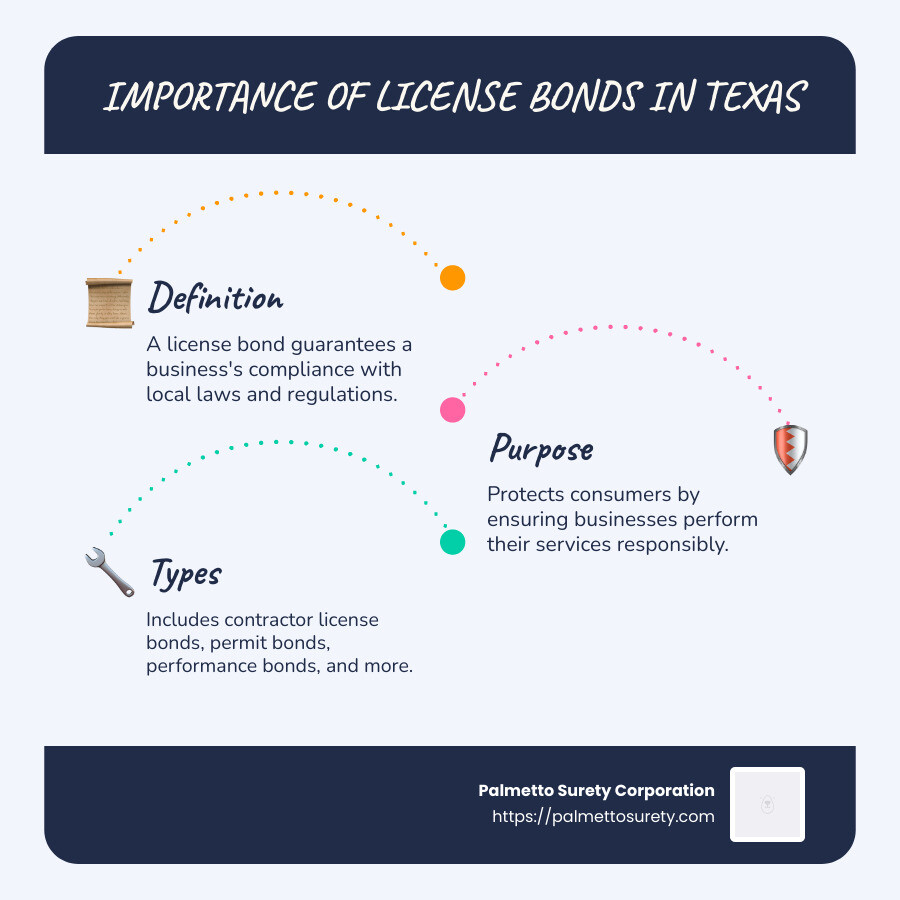
License bonds texas are essential for many businesses to operate within the state. These surety bonds ensure that businesses adhere to state regulations and protect the public from any potential malpractices. If you’re wondering what you need to know about license bonds in Texas, here’s a quick summary:
- Definition: A license bond guarantees a business’s compliance with local laws and regulations.
- Purpose: Protects consumers by ensuring businesses perform their services responsibly.
- Types: Includes contractor license bonds, permit bonds, performance bonds, and more.
License bonds in Texas safeguard consumer interests, foster trust, and ensure businesses follow state laws.
I’m Haiko de Poel Jr. With years of experience in the surety bond industry, I’ve helped numerous businesses secure license bonds texas. My expertise comes from leading roles at Mass Impact and Palmetto Surety Corporation, ensuring businesses meet their bonding requirements seamlessly.
Stay tuned as we dive deeper into understanding the different types of license bonds and how you can secure one for your business.
Understanding License Bonds in Texas
What is a License Bond?
A license bond is a type of surety bond required by the state to ensure that businesses comply with regulations and standards. Essentially, it’s a guarantee that a business will operate ethically and follow the law. This bond protects consumers by providing financial recourse if a business fails to meet its obligations.
When a business is bonded, it instills trust among consumers. Knowing that a company is bonded gives customers confidence that the business will perform its duties responsibly. In Texas, having a license bond is mandatory for many professions, including contractors, electricians, and plumbers.
Types of License Bonds
There are several types of license bonds in Texas, each serving different purposes and industries. Here’s a breakdown of the most common ones:
-
Contractor License Bonds: These are crucial for professionals in trades such as plumbing, electrical work, and construction. A contractor license bond ensures that the contractor will perform the job according to state regulations and standards. If the contractor fails to do so, the bond provides financial compensation to the affected consumer.

-
Permit Bonds: These bonds are required for businesses to obtain specific permits. They guarantee that the business will adhere to the conditions of the permit. For example, a business may need a permit bond to operate a food truck or build a new structure.
-
Performance Bonds: These bonds are often used in construction projects. A performance bond guarantees that the contractor will complete the project as per the contract terms. If the contractor fails, the bond compensates the project owner for any financial losses.
-
Conduct Surety Bonds: Retailers who do not hold a Food and Beverage (FB) Certificate need this bond. The bond amount varies based on the retailer’s proximity to a public school, ensuring compliance with specific regulations.
-
Fee Interest Bonds: Required for businesses participating in alternating brewery proprietorships or contract brewing arrangements, this bond ensures that the business meets its financial obligations.

Each type of bond serves a unique purpose but shares a common goal: protecting consumers and ensuring businesses operate lawfully.
License bonds texas are not just a legal requirement but a trust-building tool that assures customers of your business’s reliability and commitment to quality service.
Stay tuned as we dive deeper into the steps to obtain a license bond in Texas and specific requirements for different industries.
Steps to Obtain a License Bond in Texas
Register Your Business
The first step to obtaining a license bond in Texas is to register your business with the Texas Secretary of State. This process involves:
- Choosing a Business Name: Ensure your business name is unique and not already in use.
- Filing the Necessary Paperwork: Complete and submit the appropriate forms, which can be found on the Texas Secretary of State’s website.
- Paying Registration Fees: Fees vary depending on the type of business entity you are forming.
Once your business is registered, you can proceed to the next steps.
Provide Proof of Education and Experience
Some professions require proof of education and experience before you can obtain a license bond. For example, contractors may need to provide:
- Educational Certificates: Degrees or certificates relevant to your trade.
- Experience Documentation: Proof of past work experience, such as letters from previous employers or project portfolios.
Verify the specific requirements for your profession on your city’s website or contact local authorities for guidance.
Obtain Insurance
Before you can be bonded, you must have the appropriate insurance coverage. This typically includes:
- General Liability Insurance: Protects your business against claims of bodily injury and property damage.
- Workers Compensation Insurance: Required if you have employees, this insurance covers medical expenses and lost wages for injured workers.
Contact an insurance provider to discuss the policies suitable for your business needs.
Pass Required Exams
Depending on your profession, you may need to pass certain exams to qualify for a license bond. These exams test your knowledge and competency in your field. Common exams include:
- Business Exam: Covers general business practices and laws.
- Knowledge Exam: Specific to your trade, such as plumbing or electrical work.
Prepare for these exams by studying relevant materials and taking practice tests.
Submit Application and Fees
The final step is to submit your application for the license bond along with any required fees. This process generally involves:
- Filling Out the Application Form: Provide detailed information about your business, including registration details and proof of insurance.
- Paying the Licensing Fee: Fees vary depending on the type of bond and the amount of coverage required.
Submit your application and payment to the relevant local or state authority. Once approved, you will receive your license bond, allowing you to legally operate your business in Texas.
Obtaining a license bond in Texas is a critical step in establishing your business’s credibility and ensuring compliance with state regulations.
Next, we will explore the specific requirements for different industries in Texas, including construction, transportation, healthcare, and the alcohol industry.
Specific Requirements for Different Industries
Construction Industry
In the construction industry, obtaining a contractor license bond is often a key requirement. This bond ensures that contractors comply with local regulations and standards, providing protection to consumers. The process can vary by city, so always check your local guidelines.
Contractor License Bonds
Contractor license bonds are essential for ensuring your business adheres to municipal licensing laws. These bonds cover a range of professions, including:
- Electrical Contractors: Must obtain a specific bond to ensure compliance with safety standards and regulations.
- Plumbing Contractors: Similar to electrical contractors, plumbing contractors need a bond to guarantee their work meets local codes.
For example, the Fort Worth Development Services requires contractors to register and post a bond before starting any project.
Transportation Industry
The transportation industry in Texas has its own set of requirements, primarily governed by the Texas Department of Motor Vehicles (TxDMV).
TxDMV Motor Carrier Registration
Motor carriers must register with the TxDMV and often need a surety bond to operate legally. This bond ensures that carriers comply with state regulations and pay all required taxes and fees.
- Unified Carrier Registration (UCR): This registration is mandatory for carriers operating interstate and involves filing a surety bond to cover potential liabilities.
The TxDMV website provides detailed information on the registration process and bond requirements.
Healthcare Industry
The healthcare industry also has specific bonding requirements to protect patients and ensure compliance with state regulations.
Specific Bonds
Different types of healthcare providers may need various bonds, such as:
- Home Health Care Bonds: Required for agencies providing home health services to ensure compliance with state laws and patient protection.
- Nursing Home Bonds: These bonds guarantee that nursing homes adhere to state standards and provide quality care to residents.
Licensing requirements and bond amounts can vary, so it’s crucial to check with the Texas Department of State Health Services for specific guidelines.
Alcohol Industry
If you’re in the alcohol industry, you’ll need to meet several bonding requirements to operate legally in Texas.
Conduct Surety Bond
Retailers without a Food and Beverage (FB) Certificate must obtain a conduct surety bond. The bond amount depends on the business’s distance from a public school:
- $5,000 Bond: For businesses more than 1,000 feet from a public school.
- $10,000 Bond: For businesses less than 1,000 feet from a public school.
Performance Bond
If your business is in Bexar, Harris, Dallas, or Tarrant counties and you hold a Retailer Dealer’s On-Premise License (BE) or a Wine and Beer Retailer’s Permit (BG), you need a performance bond of $2,000. This bond amount increases if you violate the Alcoholic Beverage Code.
Fee Interest Bond
Brewers participating in an alternating proprietorship or contract brewing arrangement must secure a fee interest bond of $30,000. This bond ensures compliance with state regulations and protects financial interests.
For more detailed information on these requirements, visit the Texas Alcoholic Beverage Commission (TABC).
Next, we will address some frequently asked questions about license bonds in Texas to help you better understand the process and requirements.
Frequently Asked Questions about License Bonds in Texas
What is a Texas bond $10,000 for 4 years?
A Texas bond $10,000 for 4 years typically refers to a notary bond. Notaries in Texas are required to post a bond to ensure they perform their duties with honesty and integrity. This bond protects the public from any errors or misconduct by the notary.
For instance, if a notary fails to properly authenticate a document, causing financial harm, the bond can be used to compensate the affected party. The notary is then responsible for reimbursing the surety company for any claims paid out.
How much is a $50,000 bond in Texas?
The cost of a $50,000 bond in Texas varies depending on the type of bond and the applicant’s creditworthiness. Generally, you can expect to pay between 1% and 3% of the bond amount. This means a $50,000 bond could cost anywhere from $500 to $1,500 annually.
For example, a contractor needing a $50,000 performance bond would pay a premium based on their credit score and financial history. A higher credit score typically results in a lower premium.
How do bonds in Texas work?
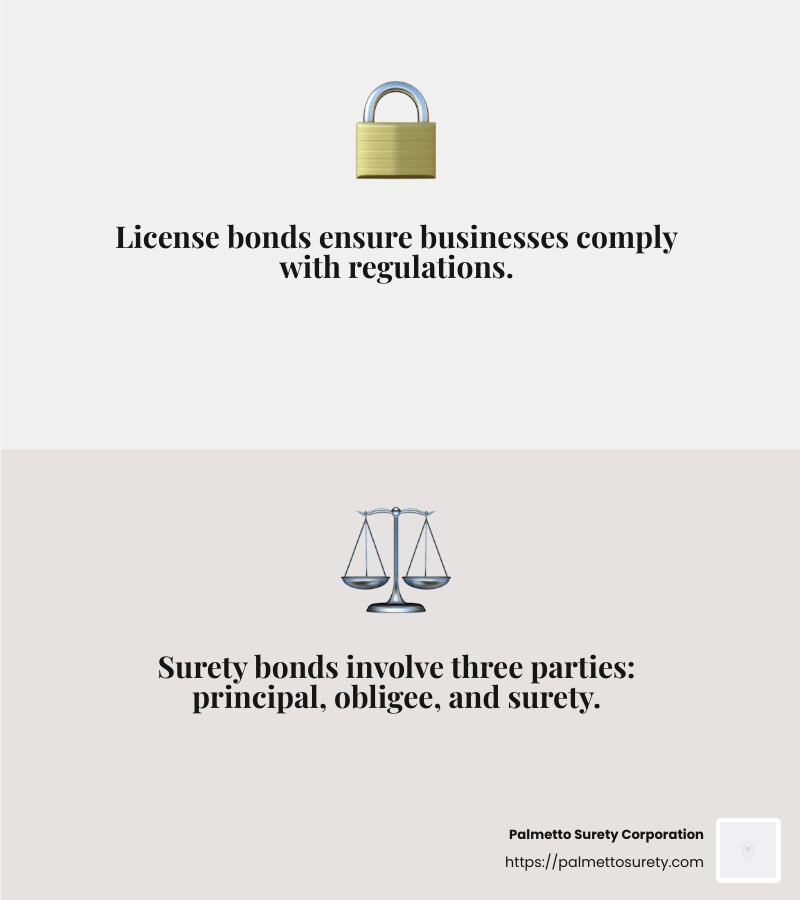
Bonds in Texas work as a three-party agreement between the principal (the business or individual purchasing the bond), the obligee (the entity requiring the bond), and the surety (the company issuing the bond). Here’s a simple breakdown:
- Principal: The party required to get the bond.
- Obligee: The party requiring the bond (usually a government agency).
- Surety: The company that issues the bond and guarantees the principal’s obligations.
If the principal fails to meet their contractual obligations, the obligee can file a claim against the bond. The surety will investigate the claim, and if valid, pay the obligee up to the bond amount. The principal must then reimburse the surety for the claim amount.
For example, a contractor who does not complete a project as agreed upon may have a claim filed against their bond. The surety company pays the claim, and the contractor must repay the surety.
Next, we will discuss the specific requirements for different industries in Texas to help you steer the process more effectively.
Conclusion
About Palmetto Surety Corporation
Securing license bonds in Texas is crucial for businesses to operate legally and protect consumers. Compliance with state regulations ensures your business can function smoothly and build trust with clients.
At Palmetto Surety Corporation, we understand the complexities of obtaining surety bonds. Our mission is to make this process as straightforward and efficient as possible. With over 20 years of experience, we specialize in providing surety bonds for various industries, including construction, manufacturing, transportation, and healthcare.
Why Choose Palmetto Surety Corporation?
Quick Approval: We approve most applications within hours, ensuring you can get your bond quickly and without hassle.
Efficient Service: Our state-of-the-art underwriting platform significantly reduces processing times. This allows you to focus on your business operations without lengthy delays.
Comprehensive Services: We offer all types of surety bonds, from contractor license bonds to court bonds. Our experts are well-versed in the requirements for different industries and can guide you through the process.
Experienced Team: With decades of experience in the surety bond industry, our team is equipped to handle even the most complex bond applications. We steer uncertainties and unique requirements to provide efficient service custom to your needs.
Customer Support: Our dedicated support team is available 24/7 to assist with any questions or concerns. We are committed to providing the best possible service to our clients.
By choosing Palmetto Surety Corporation, you are partnering with a company that values efficiency, expertise, and customer satisfaction. We are here to help you steer the complexities of surety bonds and ensure your business remains compliant with Texas regulations.
For more information or to get started with your bond application, visit our website or contact us directly. Let us help you secure the bonds you need to keep your business running smoothly.


