


The Essential Guide to Fidelity Bonds vs. Crime Insurance
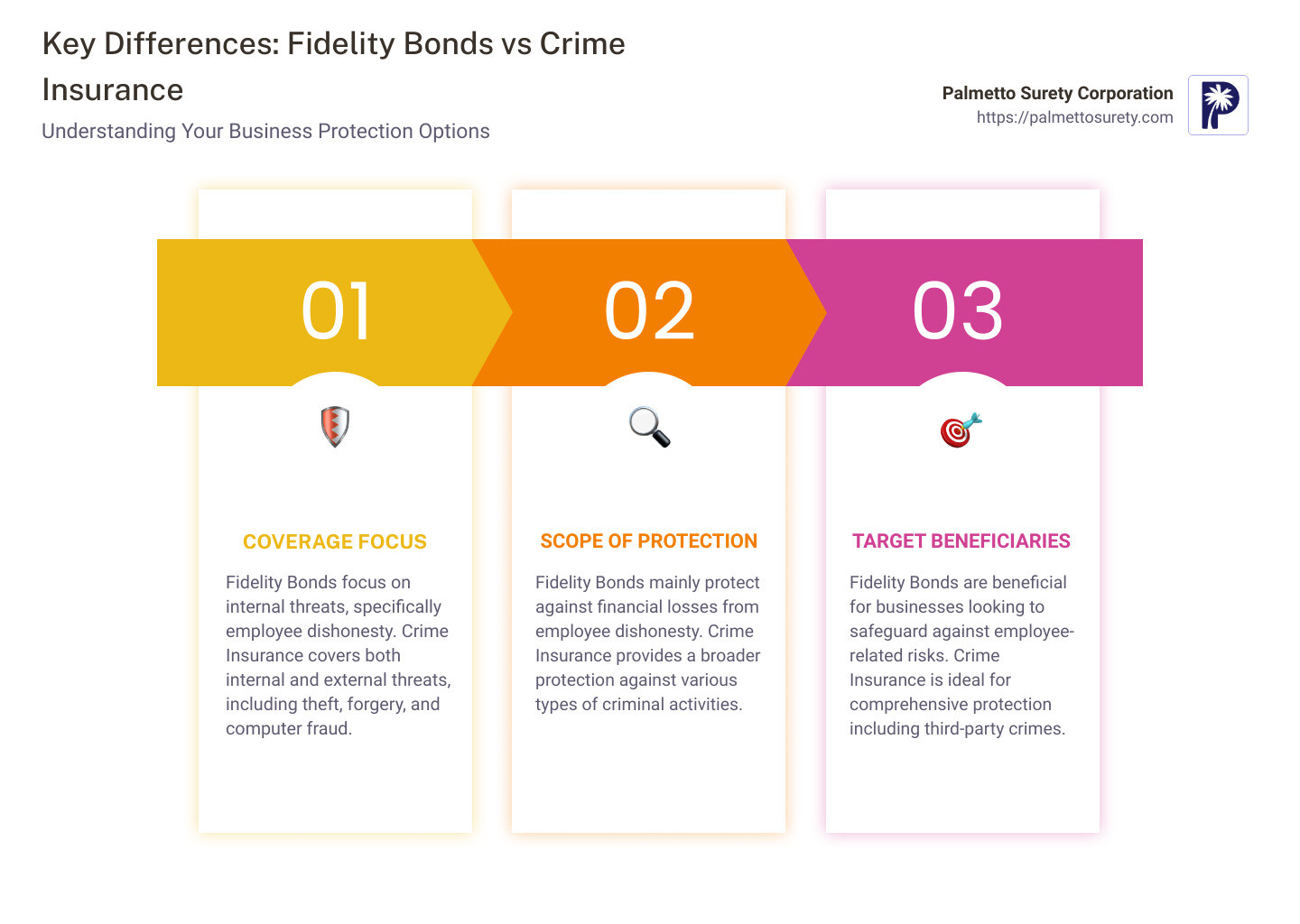
In the realm of safeguarding your business from financial peril, understanding the distinction between fidelity bonds and crime insurance is crucial. At a glance, fidelity bonds offer protection against internal dishonesty – think instances of employee theft or fraud. On the other hand, crime insurance covers a broader spectrum of criminal activities, both internal and external, such as burglary, forgery, and computer fraud.
- Fidelity Bonds: Focuses on internal threats; specifically, acts of dishonesty by employees.
- Crime Insurance: Provides broader coverage against both internal and external criminal acts, including theft and fraud.
Prioritizing financial security in your business operation isn’t just a good practice; it’s a necessity. In a landscape where threats can emerge from within or outside your organization, equipping yourself with the right protective measures is indispensable. Let’s dive deeper into how fidelity bonds and crime insurance can form an integral part of your business’s financial safeguarding toolkit.
Understanding Fidelity Bonds
When it comes to protecting your business from the inside out, fidelity bonds play a crucial role. But what exactly are they? Let’s break it down in simple terms and explore the different types available to you.
Definition
A fidelity bond is like a safety net that catches financial losses caused by the misdeeds of your employees. It’s not about mistrust; it’s about being prepared for the unexpected. Think of it as insurance that covers the ‘what ifs’ related to employee actions.
Types of Fidelity Bonds
There are three main flavors of fidelity bonds, each serving a unique purpose:
-
Employee Dishonesty Bonds: This is the go-to option if you’re worried about direct theft or fraud by your employees. Whether it’s cash, property, or securities, this bond has your back.
-
Business Services Bonds: This one is all about protecting your customers. If an employee does something dishonest that leads to a client’s loss, this bond helps you reimburse them, maintaining your reputation.
-
ERISA Bonds: Specifically designed for businesses offering pension plans, the ERISA bond is a legal requirement. It safeguards the plan’s assets from misuse by those managing it.

Coverage Scope
The scope of coverage with fidelity bonds is quite specific, focusing on losses due to dishonest acts by employees. Whether it’s theft, fraud, or forgery, these bonds offer a financial safety net, ensuring your business can recover from such internal threats.
- Employee Dishonesty Bonds cover any form of theft by employees, from cash to digital assets.
- Business Services Bonds extend this protection to your clients, covering their losses due to your employees’ dishonest acts.
- ERISA Bonds are a bit different, focusing on the mismanagement of employee benefit plans rather than direct theft or fraud.
By understanding the nuances of each type, you can better assess which fidelity bond(s) align with your business needs, ensuring you’re protected from specific risks associated with employee dishonesty.
The goal is not to foster an environment of suspicion but to create a safety net that allows your business to thrive, even when faced with internal challenges. With the right fidelity bond in place, you can focus on growth, knowing you’re well-protected against the financial impacts of employee misdeeds.
Keep these distinctions in mind. They’ll help you navigate the broader landscape of business protection, including how fidelity bonds compare and contrast with commercial crime insurance. This knowledge is key to choosing the right coverage for your unique business needs.
Next, let’s explore commercial crime insurance and how it complements the protection offered by fidelity bonds.
Exploring Crime Insurance
In business protection, understanding the nuances of commercial crime insurance is crucial. This coverage is designed to safeguard businesses against financial losses resulting from a wide range of criminal activities. Let’s dive into the key aspects of this vital insurance policy.
Commercial Crime Policies
At its core, commercial crime insurance offers a safety net against losses due to criminal acts. Unlike fidelity bonds, which primarily focus on employee dishonesty, crime insurance casts a wider net. It covers theft, forgery, computer fraud, and even crimes committed by third parties. For businesses, especially those in sectors like fintech or retail, where transactions are frequent and high-volume, this coverage is indispensable.
Coverage Types
The coverage provided by commercial crime insurance can be categorized into several key areas:
-
Employee Theft: Despite rigorous vetting processes, businesses are not immune to dishonest acts by employees. This coverage helps mitigate losses from such incidents.
-
Forgery: Any business that handles checks, contracts, or other negotiable instruments is vulnerable to forgery. Crime insurance can cover losses from these fraudulent acts.
-
Computer Fraud: In an era where digital transactions are the norm, protection against cybercrime is essential. This coverage shields businesses from losses due to unauthorized electronic fund transfers and similar cybercrimes.
-
Third-Party Crimes: Businesses can also suffer losses from criminal acts committed by individuals outside the organization. This includes theft of property or money by burglars, robbers, or cybercriminals.
Financial Loss Reimbursement
One of the main advantages of commercial crime insurance is its ability to reimburse financial losses directly. This means that if your business falls victim to a covered crime, the policy can provide the financial support needed to recover. This direct financial reimbursement is crucial for maintaining operations and safeguarding the business’s financial health.
The Importance of Comprehensive Coverage
Given the diverse range of crimes that can affect a business, having comprehensive coverage is vital. For instance, while a fidelity bond protects against losses due to employee dishonesty, it may not cover sophisticated cybercrimes or third-party theft. This is where commercial crime insurance comes into play, offering a broader scope of protection.
In conclusion, commercial crime insurance is an essential layer of protection for businesses of all sizes and sectors. It complements fidelity bonds by providing comprehensive coverage against a wide array of criminal activities, both internal and external. For business owners, understanding the coverage options and ensuring they have both fidelity bonds and crime insurance in place is key to a robust risk management strategy.
Assessing the specific risks your business faces and tailoring your coverage accordingly is crucial. Whether it’s employee dishonesty, cybercrime, or third-party theft, having the right protection in place can make all the difference in safeguarding your business’s future.
In the next section, we’ll delve deeper into the key differences between fidelity bonds and crime insurance, helping you make an informed decision on the best protection for your business.
Key Differences Between Fidelity Bonds and Crime Insurance
When it comes to protecting your business from financial losses due to fraudulent activities, understanding the distinctions between fidelity bonds and crime insurance is crucial. Let’s break down the main differences to help you navigate these options.
Coverage Scope
Fidelity Bonds are primarily focused on losses that result from dishonest acts committed by your employees. Whether it’s theft of money, securities, or other property, these bonds are designed to protect your business from the inside out.
Crime Insurance, on the other hand, provides a broader scope of coverage. It not only covers employee theft but also safeguards against external criminal acts like forgery, computer fraud, and funds transfer fraud. This type of insurance is comprehensive, addressing both internal and external threats to your business’s financial security.
Employee vs. Third-Party Crimes
A significant differentiator is whom the coverage protects against:
-
Fidelity Bonds cover wrongful acts committed by employees. Whether it’s a case of embezzlement or fraud, if an employee is the perpetrator, a fidelity bond is what you need.
-
Crime Insurance extends its protection to include third-party crimes. This means if someone outside your organization commits a crime affecting your business, such as hacking into your computer systems or forging a company check, crime insurance has you covered.
Financial Limits
The financial limits of coverage can also vary between fidelity bonds and crime insurance. Generally, fidelity bonds might have a preset limit based on regulatory requirements or the amount deemed necessary to cover potential losses from employee dishonesty.
Crime insurance policies, however, often offer customizable limits. Businesses can assess their risk and choose a coverage amount that aligns with their exposure to criminal acts, both internally and externally. This flexibility allows for more tailored financial protection.
ERISA Requirements
For businesses that offer employee benefit plans, ERISA Bonds are a must. The Employee Retirement Income Security Act (ERISA) mandates these bonds to protect the assets of retirement plans from dishonest acts by individuals handling the funds. This is a specific requirement that fidelity bonds address, which is not typically covered under crime insurance policies.
Choosing the right protection means assessing your business’s unique risks and regulatory obligations. For instance, if your business is heavily regulated under ERISA, then an ERISA bond is non-negotiable. However, if your risk assessment reveals a high potential for both internal and external crimes, a comprehensive crime insurance policy might be the way to go.
In conclusion, while fidelity bonds and crime insurance might seem similar at first glance, they serve different purposes and offer varying levels of protection. Fidelity bonds are your go-to for employee-related dishonesty, while crime insurance offers a broader shield against both internal and external criminal acts, with customizable financial limits and coverage scope.
Keep these differences in mind to ensure you choose the right type of protection that aligns with your business’s specific needs and risks. The goal is not just to have any coverage but the right coverage that provides peace of mind and financial security for your business.
Choosing the Right Protection for Your Business
Choosing between a fidelity bond and crime insurance can feel like navigating a maze. But it doesn’t have to be. By breaking down your needs into clear categories, you can make an informed decision that safeguards your business’s future. Let’s dive into how you can assess risks, understand industry needs, comply with regulatory requirements, and decide on coverage limits.
Assessing Risks
Start by asking yourself: What are the specific risks my business faces? If your business manages large amounts of cash or sensitive customer information, the risk of theft or fraud from within might be higher. On the other hand, if you’re in a tech-heavy industry, you might be more exposed to computer fraud or third-party cybercrimes.
- Employee Dishonesty: If you believe the risk is more internal, consider a fidelity bond. For example, nearly 70% of employee theft cases occur in small or midsize companies, with significant financial losses.
- Third-Party Crimes: If external threats pose a bigger concern, crime insurance might be the better option, covering you against a broader range of criminal activities.
Industry Needs
Different industries face different risks. A retail business has different concerns than a financial services firm.
- Financial Services: These businesses should pay close attention to fidelity bonds, especially considering the regulatory requirements of handling client funds.
- Retail and Tech Companies: These might lean more towards crime insurance due to the higher risk of external fraud and cybercrimes.
Regulatory Requirements
Some industries have specific legal requirements. For instance, the Employee Retirement Income Security Act (ERISA) of 1974 mandates that any business offering retirement plans must have an ERISA bond. This bond protects the retirement funds from mismanagement or dishonesty by those managing the plans.
Coverage Limits
Deciding on coverage limits is crucial. Consider the worst-case scenario and how much it could potentially cost your business.
- Fidelity Bonds: These typically cover specific employees or roles within the company. You’ll need to assess the level of access each role has to sensitive information or assets to determine the appropriate coverage amount.
- Crime Insurance: With a broader scope, you might need higher coverage limits to protect against the wide range of risks it covers, from computer fraud to forgery.
Employee Dishonesty vs. Third-Party Crimes
Finally, consider the source of the most significant threats to your business. If you’re more worried about the risks from within your organization, a fidelity bond is designed specifically for this purpose. However, if your concern extends beyond your employees to include external threats, crime insurance offers a broader safety net.
In Summary: The choice between fidelity bond vs crime insurance isn’t about which one is better overall, but which one is better for your specific business needs. By carefully assessing your business’s unique risks, industry requirements, regulatory obligations, and potential financial exposures, you can choose the right protection. This proactive approach ensures not only compliance but peace of mind, knowing that your business is well-protected against both internal and external criminal acts.
As you move into the next steps of securing your business’s financial future, the right protection is about fitting your unique business needs. Whether it’s a fidelity bond, crime insurance, or a combination of both, the goal is to ensure that your business is prepared for any eventuality.
Frequently Asked Questions about Fidelity Bonds and Crime Insurance
Is Crime the Same as Fidelity?
No, crime and fidelity are not the same, although they are closely related. Fidelity bonds specifically protect a business from losses caused by fraudulent acts committed by its employees. On the other hand, crime insurance offers broader protection against criminal activities, including those committed by employees, as well as third parties. It covers a wider range of criminal acts, such as theft, forgery, and computer fraud.
What is Another Name for Fidelity Bond Insurance?
Fidelity bond insurance is also known as fidelity guarantee. This term emphasizes the bond’s role in guaranteeing protection against losses from employee dishonesty. Despite being called bonds, they function as a form of insurance, safeguarding the employer’s financial assets against specific risks.
What is the Difference Between a Fidelity Bond and a Dishonesty Bond?
The terms fidelity bond and dishonesty bond are often used interchangeably, but there’s a subtle distinction. A fidelity bond is a broader term that covers losses from fraudulent acts by employees. A dishonesty bond is a type of fidelity bond specifically focused on protecting a business from losses due to dishonest actions by its employees, such as theft or embezzlement. All dishonesty bonds are fidelity bonds, but not all fidelity bonds are strictly dishonesty bonds, as fidelity bonds can also cover other fraudulent activities.
As we navigate the complexities of protecting your business, understanding the nuances between fidelity bond vs crime insurance is crucial. Each offers unique benefits tailored to different risks and exposures your business might face. Whether safeguarding against internal threats with a fidelity bond or broader criminal activities with crime insurance, choosing the right protection ensures your business remains resilient in the face of adversity. The goal is not just to protect your assets but also to foster a trustworthy environment for your employees and clients alike.
Conclusion
When it comes to safeguarding your business, understanding the nuances between a fidelity bond vs crime insurance is crucial. Each serves a distinct purpose in your overall risk management strategy. Fidelity bonds protect against internal dishonest acts by employees, while crime insurance covers a broader range of criminal activities, including those perpetrated by external parties.
At Palmetto Surety Corporation, we understand the complexities and challenges you face in choosing the right protection. Our expertise lies in helping you navigate these decisions, ensuring that your business is equipped with the necessary safeguards to operate with confidence.
Risk management is an ongoing process, and with the evolving nature of threats, staying informed and prepared is key. Whether it’s protecting against internal threats with a fidelity bond or broader criminal activities with crime insurance, choosing the right protection ensures your business remains resilient in the face of adversity. The goal is not just to protect your assets but also to foster a trustworthy environment for your employees and clients alike.
We invite you to explore our range of services and discover how we can assist you in fortifying your business against the unforeseen. With our comprehensive understanding of fidelity bonds and crime insurance, we are dedicated to providing you with solutions that not only meet your current needs but also anticipate future challenges.
For more information on how we can help protect your business, visit our surety bonds service page. Let us partner with you in securing the future of your business. Together, we can navigate the complexities of risk management, ensuring your business thrives in a secure and trustworthy environment.
Palmetto Surety Corporation – Your partner in securing peace of mind and fostering trust within your business landscape.


