


Criminal Trespass Bond Amount Georgia: Top Tips 2025
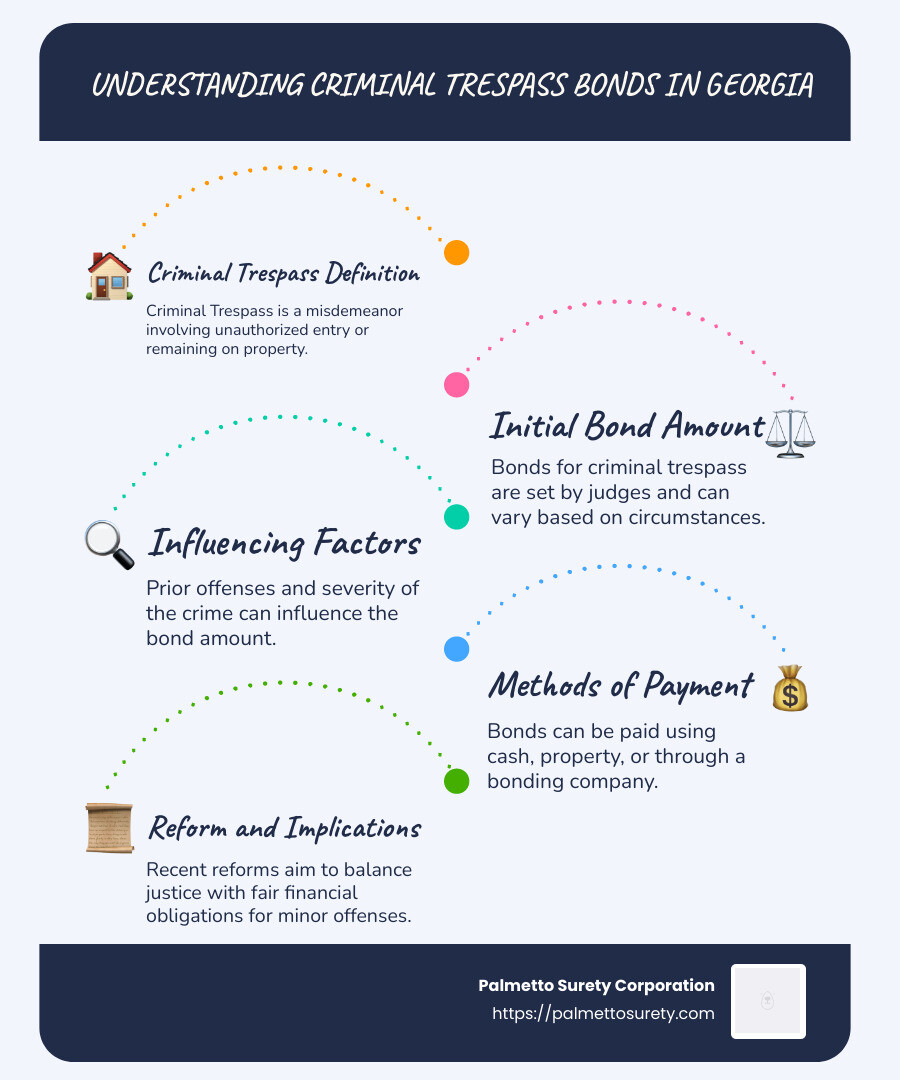
In Georgia, the topic of criminal trespass bond amount Georgia has gained attention recently due to ongoing criminal justice reforms. For those seeking quick information, here’s a straightforward answer: Generally, a bond for criminal trespass, which is a misdemeanor in Georgia, can be set individually by judges. However, factors like prior offenses may influence the bond amount. This measure is part of broader efforts by the state to steer criminal justice reform while maintaining legal obligations related to misdemeanors.
The debate over bail and misdemeanors is not new. Recent legislative changes have expanded the list of offenses requiring cash bail, affecting everything from reckless driving to criminal trespass. Critics argue these measures counter the goals of earlier reforms designed to reduce the reliance on cash bail, especially for minor offenses.
As a fractional Chief Marketing Officer, I, Haiko de Poel Jr, have witnessed the intersections of legal practice and corporate responsibility at firms like Palmetto Surety Corporation. My experience ensures comprehensive insights into topics like criminal trespass bond amount Georgia, crucial for aligning business and legal frameworks smoothly. In the next section, we will dig deeper into understanding criminal trespass in Georgia.
Understanding Criminal Trespass in Georgia
In Georgia, criminal trespass is classified as a misdemeanor. This means it’s considered a less severe offense compared to a felony, but it still carries legal consequences. The law defines criminal trespass in several ways, focusing on unauthorized entry and damage to property.
Key Elements of Criminal Trespass
-
Unauthorized Entry: Entering someone else’s property without permission is a core aspect of criminal trespass. This includes not only land but also vehicles, aircraft, and watercraft. If you’re told to leave by the owner or an authorized person and you don’t, that’s trespassing.
-
Property Damage: Intentionally damaging another person’s property without their consent is another form of criminal trespass. The damage must be $500 or less. This includes acts like graffiti or breaking a window.
-
Interference with Use: Knowingly interfering with someone else’s use or enjoyment of their property also constitutes trespass. This could mean blocking access to a property or disrupting its use.
Legal Implications
Being charged with criminal trespass in Georgia means facing a misdemeanor charge. If found guilty, penalties can include fines, probation, or even jail time. The exact penalty often depends on the specifics of the case, such as the extent of damage or prior offenses.
Recent Legislative Changes
Georgia has seen changes in how criminal trespass and other misdemeanors are handled, particularly concerning bail. The state has expanded the list of offenses requiring cash bail, including certain misdemeanor offenses like criminal trespass. This shift has sparked debate, with some arguing it reverses previous reforms aimed at reducing the use of cash bail for minor offenses.

Understanding the Impact
For individuals facing a criminal trespass charge, understanding these elements is crucial. Knowing what constitutes trespass and the potential consequences can help in navigating the legal system. It’s also essential to be aware of how recent legislative changes might affect your case, especially concerning bail requirements.
In the next section, we’ll explore the specifics of the criminal trespass bond amount in Georgia, shedding light on how these amounts are determined and what factors come into play.
Criminal Trespass Bond Amount in Georgia
When charged with criminal trespass in Georgia, understanding the bond amount is crucial. This amount can vary based on several factors, but it primarily revolves around the nature of the offense and the individual’s history.
Setting the Bond Amount
In Georgia, criminal trespass is a misdemeanor. This typically means bond amounts are lower compared to felonies, but the exact amount can still vary. According to recent legislative changes, judges are now required to set a monetary bond for individuals with a history of “failure to appear” in court over the past five years, even for misdemeanors like criminal trespass.
Typical Bond Amounts: While the bond amount can differ, it’s not uncommon for misdemeanor bonds, including criminal trespass, to be set at a few hundred dollars. However, the amount could be higher if the defendant has prior offenses or if the judge deems it necessary due to the specifics of the case.
Factors Influencing Bond Decisions
Several factors influence how a bond amount is set:
-
Prior Criminal History: If the defendant has a history of criminal activity, particularly if there are past instances of failing to appear in court, the bond amount may be higher.
-
Severity of the Offense: The more severe the trespass, such as causing damage close to the $500 limit, the higher the bond might be.
-
Risk of Flight: If the court believes the defendant might not appear for trial, they may set a higher bond to ensure compliance.
Payment Options
Once a bond is set, defendants have a few options for payment:
-
Cash Bail: Paying the full amount in cash is the most straightforward option. However, many defendants find it challenging to pay in full, especially if the bond is high.
-
Property Bond: This involves using property as collateral. The property value typically needs to be twice the bond amount.
-
Bonding Companies: These companies can post bail on behalf of the defendant for a fee, usually a percentage of the total bond amount.
The Role of Bail Bondsmen
Given the challenges many face in posting bail, bail bondsmen play a significant role. They can help defendants secure release by covering the bond amount for a non-refundable fee. This option is particularly useful for those unable to pay the full cash amount upfront.
Understanding the criminal trespass bond amount in Georgia is essential for anyone facing such charges. It not only affects the immediate ability to secure release but also plays a role in the broader legal strategy moving forward. In the next section, we’ll dig into the factors influencing bond amounts, offering insight into how these decisions are made.
Factors Influencing Bond Amounts
When determining the criminal trespass bond amount in Georgia, several key factors come into play. Each of these factors can significantly impact the final bond amount set by the court.
Severity of the Offense
The bond amount often reflects the severity of the offense. For example, if the criminal trespass involved significant property damage, the bond might be higher. In Georgia, if the damage approaches the $500 threshold, it could influence the bond decision. This aligns with the legal precedent where criminal trespass is a lesser included offense of more serious property crimes.
Criminal History
A defendant’s criminal history is another critical factor. Those with prior offenses, especially if they involve “failure to appear” in court, are likely to face higher bond amounts. Recent changes in Georgia law mandate that individuals with such a history must have a monetary bond set, even for misdemeanors. This aims to ensure that defendants are more likely to appear for their court dates.
Bail Conditions
Bail conditions can also affect the bond amount. Courts may impose specific conditions based on the defendant’s circumstances, including their risk of flight. For instance, if there’s evidence suggesting a defendant might not return for their trial, the court could increase the bond amount to ensure compliance.
Judicial Discretion
Despite the guidelines, judges have some discretion in setting bond amounts. They may consider the defendant’s personal circumstances, such as employment status, family ties, and community connections. This discretion allows judges to tailor the bond to the individual’s situation, balancing the need to ensure court appearances with the defendant’s ability to pay.
Community Support and Bail Funds
Community support, such as bail funds, can help mitigate the impact of high bond amounts. In Athens-Clarke County, for example, a community bail fund has successfully assisted individuals unable to post even minimal bond amounts, highlighting the critical role these resources play in supporting pretrial release for low-income defendants.
Understanding these factors is crucial for anyone navigating the criminal justice system in Georgia. They provide insight into why bond amounts vary and how individuals can prepare for the financial implications of a criminal trespass charge. In the next section, we’ll explore how to pay for a criminal trespass bond, detailing the various payment methods available.
How to Pay for a Criminal Trespass Bond
Paying for a criminal trespass bond in Georgia can be done in a few different ways. Understanding these options can help you or your loved ones get out of jail quickly and efficiently.
Cash Bail
Cash bail is the most straightforward method. This involves paying the full bond amount in cash to the court. If the bond is set at $136, you would need to pay this amount to secure release. If you attend all required court appearances, the cash is typically returned at the end of the case, minus any fees or fines.
Property Bond
If you don’t have the cash on hand, a property bond is another option. This involves using property as collateral. However, the property must be valued at twice the bond amount. For example, if the bond is $136, the property must be worth at least $272. The Liberty County Sheriff or a designee must approve this bond. This method can be a good option if you have valuable property but lack liquid cash.
Payment Methods
For traffic-related bonds and fines, the Liberty State Court accepts credit card payments. That a surcharge will apply for credit card transactions. The court only accepts U.S. currency (cash), cashier’s checks, and money orders for other court-ordered fines. Having multiple payment options allows for flexibility, especially if immediate cash is unavailable.
Community Bail Funds
Community bail funds can be a lifeline for those who can’t afford bail, even as low as $10. These funds, often supported by local organizations, have helped numerous individuals secure their release. For instance, the Oconee Street United Methodist Church’s bail fund has assisted people with minimal bonds, illustrating the power of community support in the justice system.
Choosing the right payment method depends on your financial situation and resources. Whether it’s cash, property, or community support, understanding these options can make a significant difference in navigating the bail process successfully.
Frequently Asked Questions about Criminal Trespass Bonds
What is the penalty for criminal trespassing in Georgia?
In Georgia, criminal trespassing is considered a misdemeanor. This means that the penalties are less severe than for felonies but can still have significant consequences. If convicted, you could face:
- Fines: Typically, fines for criminal trespass can be up to $1,000.
- Imprisonment: You might also be sentenced to up to 12 months in jail, depending on the circumstances of the case.
These penalties highlight the importance of taking criminal trespass charges seriously and seeking legal counsel if you’re facing such charges.
How much is bail for criminal trespass?
The bail amount for a criminal trespass charge in Georgia can vary based on several factors, including the specifics of the case and the defendant’s history. Generally, bail is set at a level that reflects the nature of the offense and ensures the defendant’s appearance in court. For example, Charles Carter’s case, mentioned in the research, had a bail amount of just $10, which is relatively low. However, even small amounts can be burdensome, as seen when community bail funds step in to help those unable to pay.
For first-time offenses, bail might be set lower than for repeat offenders. However, it’s crucial to remember that the bail amount can vary widely depending on the judge’s discretion and the case’s details.
How much of a bond do you have to pay in Georgia?
When posting bail through a bonding company, you typically pay a percentage of the total bail amount. This percentage is usually around 10% to 15%. So, if your bail is set at $1,000, you would pay the bonding company $100 to $150. This fee is non-refundable, even if you comply with all court appearances.
Using a bonding company can be a practical option if you don’t have the full bail amount. However, understand that this is a service fee for the bonding company’s role in securing your release.
In conclusion, understanding the penalties and bail process for criminal trespass in Georgia can help you steer the legal system more effectively. Whether dealing with fines, jail time, or bail payments, knowing your options and obligations is key to managing these challenges.
Conclusion
Navigating the legal landscape surrounding criminal trespass bond amounts in Georgia can be complex, but having the right support can make all the difference. At Palmetto Surety Corporation, we specialize in providing quick and efficient bail bond services to help you or your loved ones secure release from jail swiftly.
With over 20 years of experience in the bail bond industry, we have developed a streamlined process that allows us to approve most applications within hours. This speed is crucial, especially when even small bail amounts, like the $10 bond in Charles Carter’s case, can be a barrier to freedom. Our network of experienced bail agents is ready to assist you across the southeastern United States, ensuring you receive the support you need when facing a criminal trespass charge.
We understand the stress and urgency that come with navigating the bail system. Our commitment is to provide reliable, transparent, and personalized service to each client. Whether you’re dealing with a misdemeanor or another charge, our expertise and dedication can help you manage the situation effectively.
For more information on how Palmetto Surety Corporation can assist with bail bond needs, visit our service page to learn more about our offerings and how we can help you today.


