


What Is Bail Bond Insurance? Top 5 Essential Facts
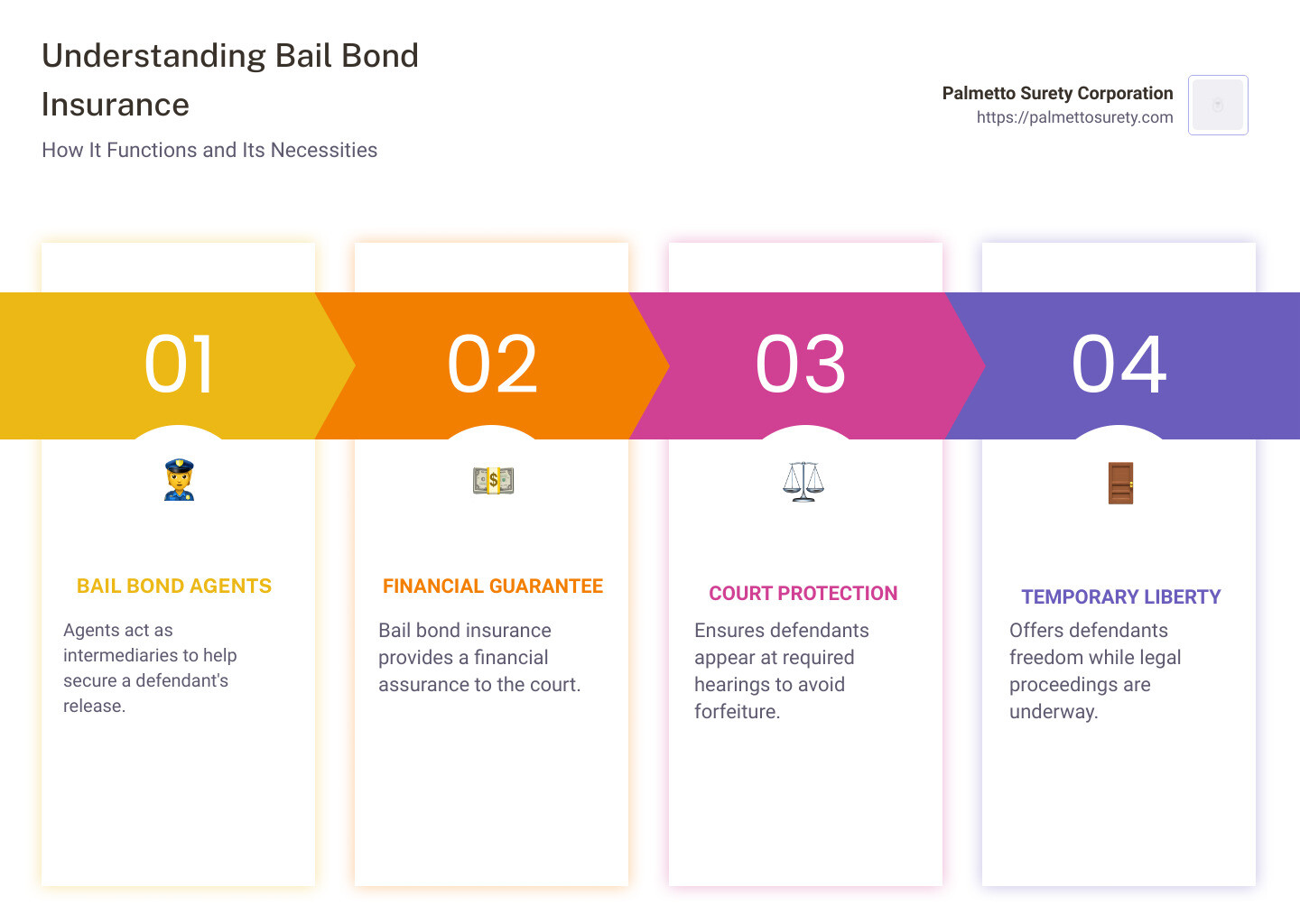
What is bail bond insurance? When individuals are unable to afford bail, bail bond insurance provides a crucial solution. Bail bond insurance assists bail bond agents in securing the release of defendants from jail, ensuring the court that the defendant will attend all required hearings. It acts as a financial guarantee, offering protection and responsibility on behalf of the defendant.
Many individuals awaiting trial face prolonged incarceration due to the inability to afford bail. Bail bond agents support these individuals by offering a surety bond—a commitment to the court that the defendant will appear for all court dates. In exchange, the defendant or their family pays a fee, usually a percentage of the total bail amount. This service grants defendants a form of temporary liberty while their legal proceedings continue, although it often involves collateral and non-refundable fees.
I’m Haiko de Poel Jr. With extensive experience in marketing and digital transformation, I specialize in demystifying insurance concepts. My expertise includes navigating the complexities of bail bond insurance, guiding both businesses and individuals in this intricate field. Transitioning to the next section, we will delve deeper into what is bail bond insurance and how it safeguards all parties involved.
What Is Bail Bond Insurance?
How Bail Bond Insurance Works
Bail bond insurance is a crucial component in the bail bond system. It acts as a financial guarantee that a defendant will appear in court as required. This insurance is a type of surety bond involving three key players: the defendant (principal), the court (obligee), and the bail bond agent (surety).
Here’s how it works:
-
Bail Bond Agent’s Role: When a defendant cannot afford the bail set by the court, a bail bond agent steps in. The agent provides a surety bond to the court, promising that the defendant will attend all court dates. In exchange, the defendant or their family pays a fee to the agent, usually around 10% of the total bail amount. This fee is non-refundable.
-
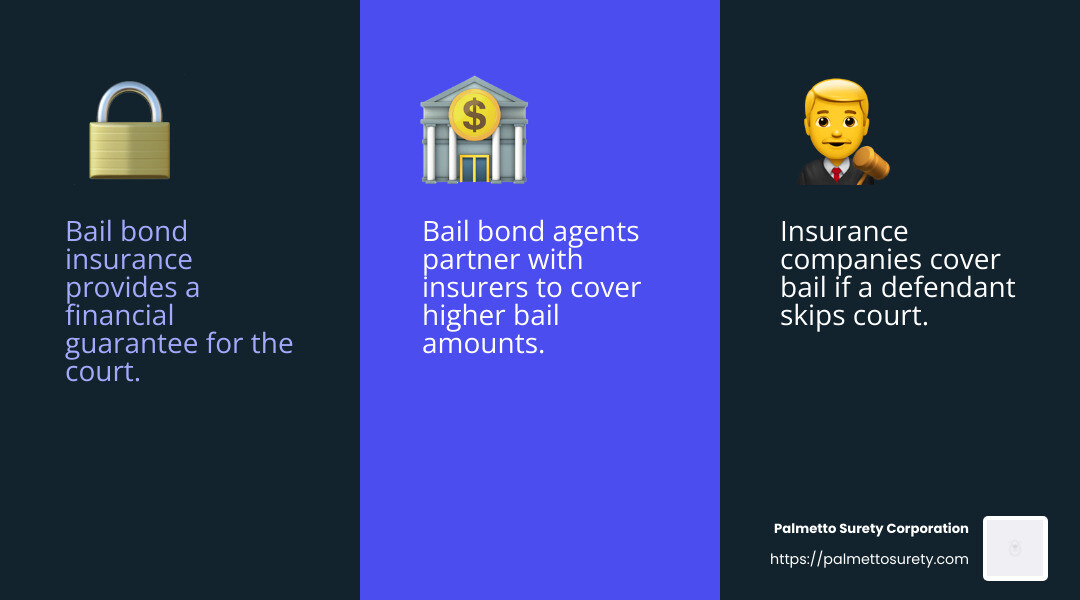
Insurance Company Involvement: The bail bond agent doesn’t shoulder the financial risk alone. They partner with a bail bond insurance company. The insurance company provides the agent with the necessary liability coverage. This means if the defendant skips court (known as “jumping bail”), the insurance company covers the bail amount to the court. This partnership allows agents to handle larger bail amounts and more clients.
-
Court Protection: The court benefits from this arrangement because it receives a financial guarantee that the defendant will appear. If the defendant fails to show up, the court still gets the bail amount from the insurance company via the bail bond agent.

-
Liability and Coverage: The insurance company assesses the agent’s financial status, including credit rating and income stability, before providing coverage. Agents may also need to maintain a build-up fund (BUF) with the insurance company as collateral. This fund acts as a safety net, ensuring the agent fulfills their obligations.
Bail bond insurance facilitates the judicial process by enabling defendants to await trial outside of jail. It provides a layer of protection for all parties involved, particularly the bail bond agents, who rely on insurance companies to mitigate financial risks. This system ensures that the court’s interests are safeguarded while allowing defendants to maintain their freedom during legal proceedings.
The Role of a Bail Bond Agent
Responsibilities of a Bail Bond Agent
A bail bond agent plays a critical role as the middleman between the court and the defendant, ensuring that legal procedures run smoothly while offering defendants a chance at temporary freedom. Here’s a breakdown of their key responsibilities:
-
Facilitating Bail: When a defendant can’t afford the full bail amount, a bail bond agent steps in. The agent provides the court with a surety bond, guaranteeing the defendant’s appearance at all scheduled court appearances.
-
Securing Collateral: To mitigate financial risk, agents require collateral from the defendant or their family. This collateral can be in the form of property, jewelry, or other valuable assets. It acts as a safety net if the defendant fails to appear in court.
-
Charging an Upfront Fee: In exchange for their services, bail bond agents charge an upfront fee, typically around 10% of the total bail amount. This fee is non-refundable, even if the charges are dropped or the defendant is acquitted.
-
Monitoring Court Appearances: One of the agent’s primary duties is to ensure the defendant attends all court dates. If a defendant skips a court appearance, the agent is responsible for locating and recovering the defendant to avoid paying the full bail amount to the court.
-
Compensation and Recovery: If the defendant fails to appear, the bail bond agent may use the collateral to pay the court. The agent’s goal is to recover the defendant and ensure they fulfill their legal obligations. Successful recovery prevents financial losses for both the agent and the insurance company.
In summary, bail bond agents are essential in balancing the interests of the court, the insurance company, and the defendant. They provide a vital service that allows defendants to await trial outside of jail, while also protecting the financial interests of all parties involved.
Types of Bail Bonds
When it comes to bail bonds, there are several types that defendants and their families might encounter. Understanding these options can help you make informed decisions during a challenging time.
Surety Bonds vs. Cash Bonds
Surety Bonds
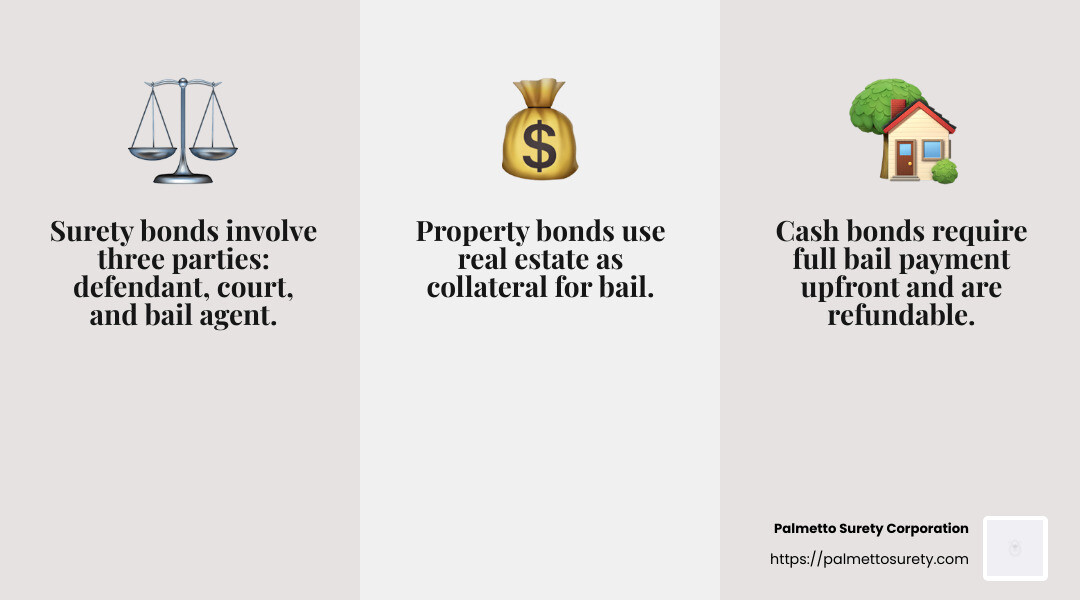
Surety bonds are the most common type of bail bond. They involve three parties:
- The Principal: The defendant who needs the bond.
- The Obligee: The court that requires the bond as a guarantee.
- The Surety: The bail bond agent or company that provides the bond.
In a surety bond, the bail bond agent guarantees the court that the defendant will appear for all court dates. The defendant or their family pays the agent a non-refundable fee, typically about 10% of the bail amount, and may provide collateral to secure the bond. Collateral can be anything of value, like property or vehicles, that the agent can use if the defendant fails to appear in court.
Cash Bonds
Cash bonds are straightforward. The defendant pays the full bail amount in cash to the court. This amount is held as a guarantee that the defendant will attend all court appearances. If the defendant fulfills their obligations, the cash is refunded at the end of the legal process, minus any court fees or fines. However, if the defendant fails to appear, the cash is forfeited to the court.
Property Bonds
Property bonds allow defendants to use real estate as collateral. The court places a lien on the property, which means if the defendant doesn’t show up in court, the court can foreclose on the property to recover the bail amount. This type of bond is not as common due to the complexity and time involved in assessing property value and liens.
Comparing Surety Bonds and Cash Bonds
- Three Parties Involved: Surety bonds involve a three-party agreement (defendant, court, bail agent), whereas cash bonds involve only the defendant and the court.
- Collateral Requirement: Surety bonds often require collateral; cash bonds do not, as the full amount is paid upfront.
- Refundability: Cash bonds are refundable if the defendant meets all court requirements. The fee for a surety bond is non-refundable, even if charges are dropped.
Each bond type has its advantages and disadvantages, depending on the defendant’s financial situation and the bail amount set by the court. Understanding these differences can help you choose the best option for your circumstances.
In the next section, we’ll explore why bail bond insurance is necessary and how it provides financial protection for both bail bond agents and defendants.
Why Bail Bond Insurance Is Necessary
Bail bond insurance is essential for anyone involved in the bail bond industry. It offers significant benefits that ensure both financial protection and business growth. Let’s explore why it’s so crucial.
Benefits of Bail Bond Insurance
Financial Protection
Bail bond insurance provides a safety net for bail bond agents. When a defendant fails to appear in court, agents are responsible for the full bail amount. Insurance covers this liability, protecting agents from severe financial loss. This coverage ensures agents can continue their operations without risking their personal assets.
Asset Coverage
For agents, having bail bond insurance means they don’t need to rely solely on their own assets to cover potential bail defaults. This is particularly important in states like South Carolina, where agents must work with an insurance company to write bonds. With insurance, agents can handle larger bonds without putting their own finances at risk.
Business Growth
Partnering with a bail bond insurance company enables agents to expand their business. By covering the risk of defaults, insurance allows agents to take on more clients and larger cases. This growth potential is crucial for agents looking to establish a strong presence in the industry.
Liability Compensation
If a defendant skips bail, the insurance company steps in to cover the outstanding balance. This compensation means agents don’t have to pay out of pocket, maintaining their financial stability. It’s like having a backup plan that ensures the agent’s business remains unaffected by unexpected defaults.
Business Expansion
With insurance backing, agents can confidently expand their services. They can offer bonds to more clients without worrying about the financial implications of defaults. This ability to grow and serve more defendants is a significant advantage in a competitive market.
Legal Compliance
In some states, bail bond insurance is a legal requirement for agents. It ensures that agents comply with state regulations, which can vary widely. This compliance not only protects the agent but also builds trust with clients and the legal system.
By providing these benefits, bail bond insurance is a vital component for any bail bond agent. It offers the financial security needed to operate effectively and grow in the industry. In the next section, we’ll explore the responsibilities of a bail bond agent and how they manage their role as a middleman between the court and the defendant.
Frequently Asked Questions about Bail Bond Insurance
What is the difference between bail and bond?
Bail is a set amount of money that acts as insurance between the court and the person in jail. Defendants have the option to pay the bail amount in full as a way of securing their release from jail until their court date.
A bond, on the other hand, is a type of security provided by a bail bond agent. When defendants can’t afford the bail, they turn to agents who issue a bond to the court. The bond acts as a promise that the defendant will appear in court. The defendant pays a fee to the bond agent, usually 10% of the bail amount, which is non-refundable.
Do you get bail money back in the USA?
Whether or not you get your bail money back depends on the circumstances. If you pay the full bail amount directly to the court and comply with all court appearances, you typically get your money back once the case concludes. However, if you use a bail bond agent, the fee paid to the agent is non-refundable, even if the charges are dropped or the defendant appears in court as required.
How do bail bondsmen make money?
Bail bondsmen earn money through fees charged to the defendants. When a defendant hires a bail bond agent, they pay a non-refundable fee, usually 10% of the bail amount. The agent may also require collateral like property or valuables to secure the bond. If the defendant fails to appear in court, the agent can use the collateral to cover the bail amount they owe to the court. This business model allows bondsmen to earn a profit while assuming the risk of the defendant’s potential non-appearance.
Conclusion
Palmetto Surety Corporation stands out in the bail bond insurance industry for its quick service and industry specialization. With over 20 years of experience, we offer a seamless process for obtaining bail bond insurance, ensuring that bail agents can operate effectively and efficiently.
Our unique selling point is our ability to approve most applications within hours. This fast turnaround is crucial for bail agents who need to act quickly to secure the release of defendants. By leveraging our cutting-edge technology and expert team, we reduce the waiting time, allowing agents to focus on their core responsibilities without unnecessary delays.
Moreover, our specialization across various industries, including construction, manufacturing, transportation, and healthcare, underscores our commitment to providing custom solutions that meet the specific needs of our clients. This industry knowledge ensures that we can offer the right coverage and support, helping bail agents manage risks and grow their businesses.
For those looking to partner with a reliable and efficient bail bond insurance provider, Palmetto Surety Corporation is the go-to choice. Our dedication to excellence and customer satisfaction makes us a leader in the field.
Explore our services to learn more about how we can support your bail bond business.


