


South Carolina Roofing License Requirements: Top 2024 Tips!
Understanding south carolina roofing license requirements is crucial for anyone looking to work in this dynamic industry. South Carolina requires that roofing contractors obtain a valid license before performing any legal roofing work, including installations and repairs. Whether you’re pursuing a General Roofing Contractor License or a Specialty Roofing Contractor License, it’s important to understand the specific licensing requirements.
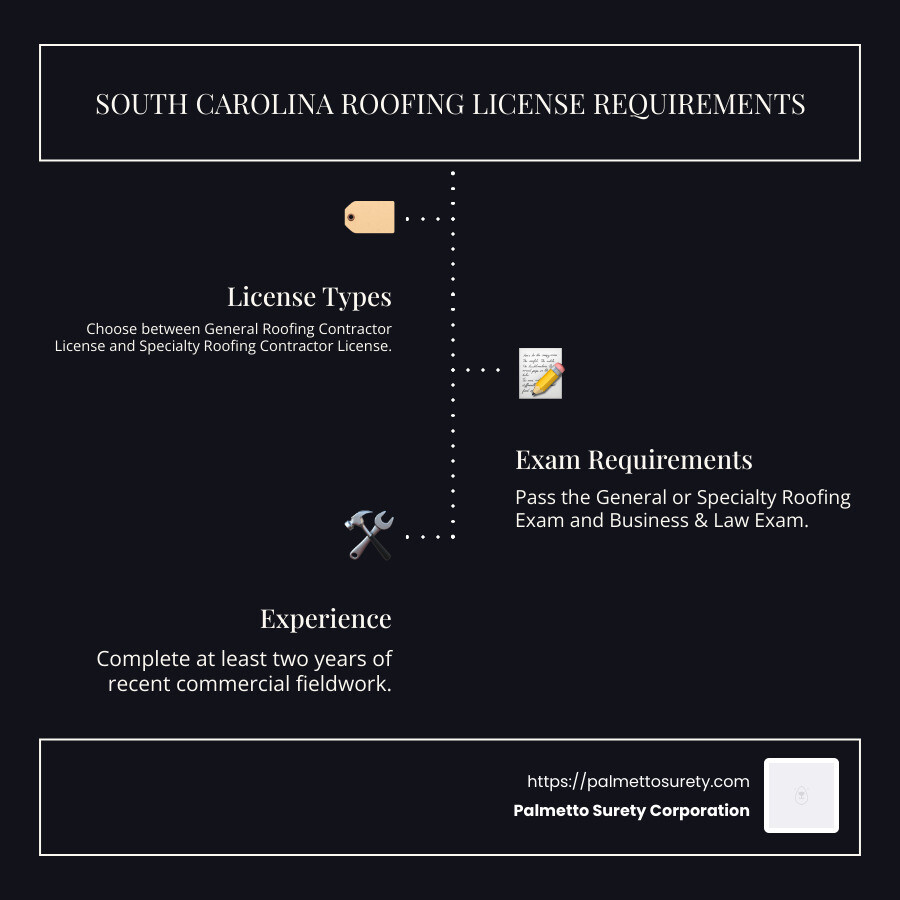
Here’s a brief overview:
- License Types:
- General Roofing Contractor License
-
Specialty Roofing Contractor License
-
Exam Requirements:
- General or Specialty Roofing Exam (50 questions, 3 hours, open-book)
-
South Carolina Business & Law Exam (50 questions, 125 minutes, open-book)
-
Experience:
- At least two years of recent commercial fieldwork experience
As an expert in licensing and bonding processes, I, Haiko de Poel Jr, have significant experience assisting construction professionals in navigating complex regulatory environments, including south carolina roofing license requirements. My expertise in branding and strategic planning for surety bond companies has helped professionals meet state-specific licensing requirements efficiently.
Types of Roofing Licenses in South Carolina
In South Carolina, there are two main types of roofing licenses you can pursue: the General Roofing Contractor License and the Specialty Roofing Contractor License. Each license caters to specific needs in the roofing industry and allows you to work with certain materials and building types.

General Roofing Contractor License
This license is ideal if you plan to work on a variety of roofing projects, particularly on commercial buildings. It allows you to install and repair roofs, including roof decking. You can work with a wide range of materials such as:
- Metal Roofing
- Shingles
- Clay and Slate
- Concrete Tile
- Wood-Shake Roofing
- Asphalt-Rolled Roofing
With a General Roofing Contractor License, you have the flexibility to handle comprehensive roofing tasks, making it a versatile option for many contractors.
Specialty Roofing Contractor License
The Specialty Roofing Contractor License is more focused. It allows you to work with the same materials and on the same types of structures as the general license. However, it also includes the ability to work on specific roofing projects that might require specialized materials or techniques not covered under the general classification.
This license is perfect if you want to specialize in niche markets within the roofing industry. It’s a great choice for those who want to focus on particular roofing styles or materials that require expert knowledge and skills.
Commercial Buildings
Both licenses allow work on commercial buildings. This means you can install or repair roofs on businesses, schools, and other non-residential structures. Commercial projects often require more expertise and knowledge due to their larger scale and specific building codes.
Understanding these licenses is crucial for anyone aiming to work legally and professionally in South Carolina’s roofing industry. By aligning your skills and goals with the right license, you can ensure compliance and set the foundation for a successful career.
Eligibility Requirements for a South Carolina Roofing License
To become a licensed roofer in South Carolina, you need to meet specific eligibility requirements. These ensure that you’re equipped with the necessary skills and financial stability to handle roofing projects safely and effectively.
Two Years of Experience
First, you need at least two years of full-time experience in commercial roofing. This experience must be recent, within the last five years. It’s crucial because it shows you have practical, hands-on knowledge in the field.
Financial Statements
Next, you’ll need to submit financial statements. These statements must be prepared in accordance with Generally Accepted Accounting Principles (GAAP). If you’re in Group 1 or Group 2, you can submit a self-prepared statement. However, for higher groups, a CPA must prepare your financial statements.
Surety Bonds
Surety bonds are another key requirement. They act as a financial guarantee that you will adhere to the state’s laws and regulations. The amount of the bond depends on your license group. For instance, Group 1 requires a $20,000 bond, while Group 2 needs an $80,000 bond.
Net Worth and Group Classification
Your net worth will determine which license group you fall into. Here’s a quick breakdown:
- Group 1: Requires a net worth of at least $10,000.
- Group 2: Requires a net worth of at least $40,000.
These groups also dictate the size of the projects you can bid on. Group 1 is limited to jobs up to $50,000, while Group 2 can handle projects up to $200,000.
Meeting these eligibility requirements is essential for obtaining your South Carolina roofing license. It ensures that you have the experience, financial backing, and legal compliance to successfully run a roofing business in the state.
Exam Requirements for South Carolina Roofing License
To get a roofing license in South Carolina, you’ll need to pass a few key exams. These tests ensure you’re ready to tackle roofing projects safely and professionally.
General Roofing Exam and Specialty Roofing Exam
First up are the General Roofing Exam and the Specialty Roofing Exam. You only need to take one, depending on the type of license you’re aiming for.
-
General Roofing Exam: This is for those who want to work on a broad range of roofing projects. It covers materials like metal, shingles, and slate.
-
Specialty Roofing Exam: This is for those who want to specialize in specific roofing materials or methods not covered under the general classification.
Both exams have 50 questions, and you need to answer at least 35 correctly to pass. You’ll have three hours to complete these open-book tests, so you can refer to your study materials during the exam.
Business Management & Law Exam
Besides the roofing-specific exams, you’ll also need to pass the South Carolina Business Management & Law Exam. This test ensures you understand the legal and business aspects of running a roofing business.
- 50 questions, with a passing score of 35.
- 125 minutes to complete the exam, which is also open-book.
PSI Exams and Registration
All these exams are administered by PSI Exams. To register, visit their website and choose the South Carolina section. You can schedule your exam at a convenient time and location. PSI provides study materials and guides to help you prepare.
Passing these exams is a crucial step in meeting the South Carolina roofing license requirements. They validate your technical skills and business acumen, ensuring you’re ready to operate within the state’s regulations.
Steps to Apply for a South Carolina Roofing License
Once you’ve passed the necessary exams, you’re ready to apply for your South Carolina roofing license. Here’s a step-by-step guide to help you through the process.
Initial Application
Start by completing the initial application. This form is your official request for a roofing license. Make sure to fill it out accurately and completely to avoid any delays in processing.
PSI Exam Reports
Attach your PSI exam reports to your application. These documents prove that you’ve successfully passed the required exams, such as the General Roofing Exam or the Specialty Roofing Exam, as well as the Business Management & Law Exam.
Financial Statements and Surety Bonds
You’ll need to submit financial statements or a surety bond. This requirement varies depending on the license group you choose. For example, Group 1 requires a net worth of $10,000 or a $20,000 surety bond. Make sure your financial documents are prepared according to the guidelines for your chosen group.
License Fee
Include the appropriate license fee with your application. The fee is either $175 or $350, depending on when you apply. Make sure to check the current fee structure to ensure you’re sending the correct amount.
Business Certificate
If your business is registered as a corporation, partnership, or LLC, include a copy of your business certificate. This verifies your registration with the South Carolina Secretary of State’s office.
Secretary of State Registration
Ensure your business is properly registered with the Secretary of State. This step is crucial if you’re operating under a business entity rather than as a sole proprietor. Proper registration helps you maintain compliance with state regulations.
Submission
Once all your documents are ready, submit your application to the South Carolina Contractor’s Licensing Board. You can send it by mail, fax, or deliver it in person. Double-check that you’ve included all required materials to avoid any processing delays.
By following these steps, you’ll be well on your way to obtaining your South Carolina roofing license. This license is essential for legally performing roofing work in the state, ensuring you can operate your business confidently and within the law.
Financial Requirements for Roofing Contractors
Understanding the financial requirements is crucial when applying for a South Carolina roofing license. These requirements ensure that contractors have the financial stability to complete projects responsibly. Here’s what you need to know:
GAAP Financial Statements
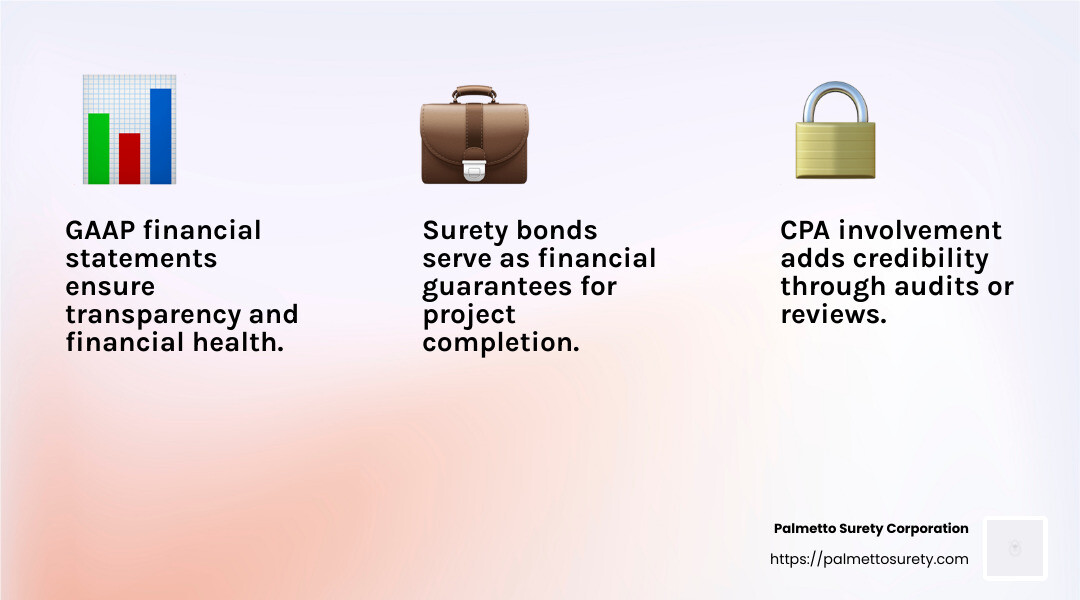
For some license groups, you must submit financial statements prepared according to Generally Accepted Accounting Principles (GAAP). These statements provide a clear picture of your financial health and are essential for demonstrating your business’s ability to handle projects of varying sizes.
CPA Involvement
Depending on the group, your financial statements might need to be compiled, reviewed, or audited by a Certified Public Accountant (CPA). This adds an extra layer of credibility to your financial documents, ensuring they meet the necessary standards.
Surety Bonds
If you prefer not to submit financial statements, a surety bond is an alternative. A surety bond acts as a financial guarantee, protecting clients if you fail to complete a project. The bond amount varies based on your license group, so choose the one that aligns with your business goals.
Net Worth and Working Capital
Each license group has specific requirements for net worth and working capital. For instance, Group 1 requires a net worth of $10,000, while Group 5 demands $250,000. Working capital, calculated as current assets minus current liabilities, is another critical factor.
Group Limitations
Your financial standing determines the license group you qualify for. These groups dictate the size of projects you can legally undertake. For example, Group 1 allows projects up to $50,000, while Group 5 has no financial limits. Meeting the financial criteria for your desired group is essential for expanding your business opportunities.
By understanding and meeting these financial requirements, you’ll be well-prepared to apply for a South Carolina roofing license, ensuring your business can operate legally and successfully within the state.
Frequently Asked Questions about South Carolina Roofing License Requirements
Do you need a license to be a roofer in South Carolina?
Yes, you need a license to legally work as a roofer in South Carolina. The South Carolina Department of Labor, Licensing and Regulation oversees the licensing process. Whether you aim to be a general roofing contractor or a specialty roofing contractor, obtaining the proper license is essential. This ensures that you meet the standards set by the state and are qualified to perform roofing work safely and effectively.
How much work can you do without a contractor license in South Carolina?
In South Carolina, you can work on projects without a contractor license if the total cost of the project, including labor and materials, is less than $5,000. However, this exception has limitations. For any work exceeding this amount, a general contractor license is required. It’s important to adhere to these financial limits to avoid penalties and ensure compliance with state regulations.
Do you need a permit for a roof in South Carolina?
Yes, you generally need a permit for roofing work in South Carolina. Whether you’re installing new shingles or making significant repairs, check with your local building department to determine if a permit is required. Permits ensure that roofing projects meet local building codes and safety standards. Failing to obtain the necessary permits can lead to fines or a halt in work, so always verify requirements before starting a project.
Conclusion
In summary, obtaining a roofing license in South Carolina is a crucial step for anyone looking to work legally and effectively in the industry. Whether you aim to become a general or specialty roofing contractor, compliance with licensing requirements is vital. It ensures the safety and quality of work, aligning with state standards and regulations.
Compliance is not just a formality—it’s essential for building trust with clients and maintaining a professional reputation. By adhering to the South Carolina roofing license requirements, you demonstrate your commitment to upholding industry standards.
At Palmetto Surety Corporation, we understand the importance of quick and efficient service. Based in Charleston, SC, we specialize in providing surety bonds that help contractors meet their financial requirements swiftly. Our experience and expertise allow us to approve most applications within hours, ensuring that you can focus on your business operations without unnecessary delays.
If you’re ready to take the next step in your roofing career, reach out to us for support with your surety bond needs. Our team is here to help you steer the licensing process smoothly and efficiently.
Compliance is key to success in the roofing industry. With the right license and support from Palmetto Surety Corporation, you’re well-equipped to build a thriving business in South Carolina.


