


Contractor License Lookup South Carolina: Top 3 Vital Tips
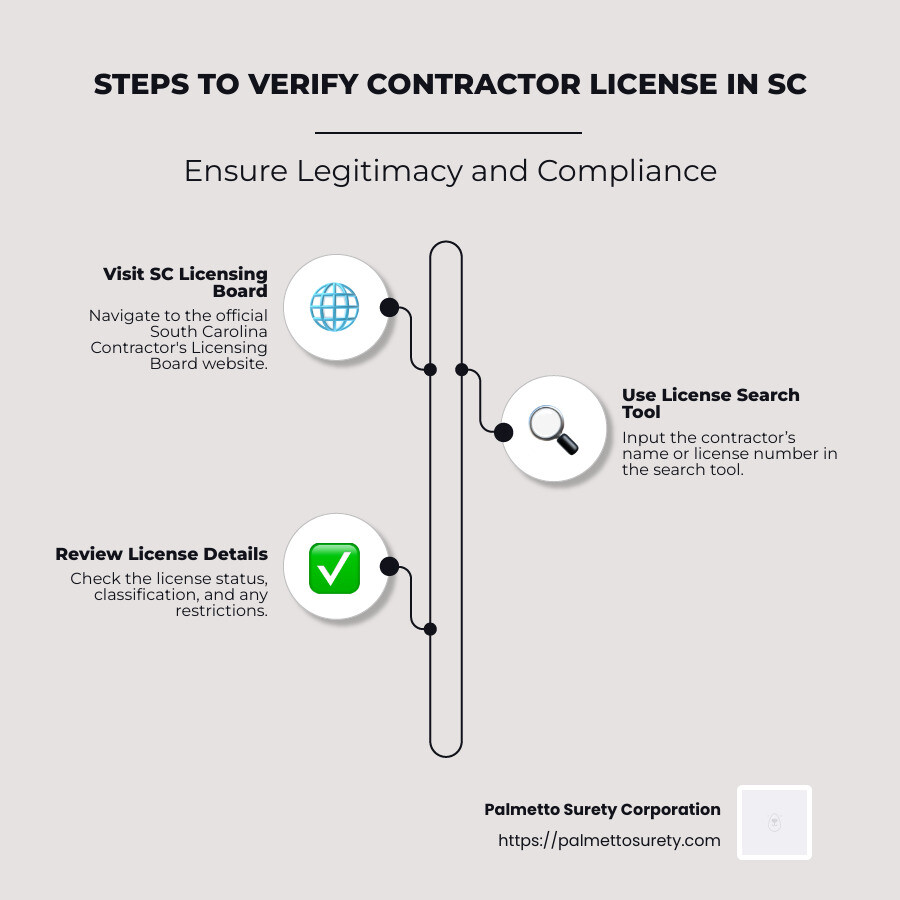
Contractor license lookup South Carolina is a crucial step to ensure you hire a legitimate and qualified professional for your project. By verifying a contractor’s license, you can protect yourself from fraud, subpar work, and potential liabilities. Here’s how you can quickly check a contractor’s license in South Carolina:
- Visit the South Carolina Contractor’s Licensing Board website.
- Use the contractor license search tool to input the contractor’s name or license number.
- Review the license status and details.
Taking these simple steps will ensure your contractor is properly licensed and qualified to handle your project.
I’m Haiko de Poel Jr, a seasoned expert in marketing and digital change with a special focus on contractor license verification and compliance. From my extensive experience, I am here to guide you through the process of contractor license lookup South Carolina, helping you make informed decisions about your project.
How to Perform a Contractor License Lookup in South Carolina
When hiring a contractor in South Carolina, ensuring they are properly licensed is crucial. This helps protect you from fraud and ensures that your project meets industry standards. Here’s a straightforward guide on how to perform a contractor license lookup South Carolina:
Using the South Carolina Contractor’s Licensing Board
The South Carolina Contractor’s Licensing Board (SC LLR) provides a reliable online tool for verifying contractor licenses. Follow these steps to use it:
-
Visit the SC LLR Website: Start by going to the South Carolina Contractor’s Licensing Board website.
-
Access the License Lookup Tool: On the homepage, find the “Licensee Lookup – Contractors” section. This tool allows you to search using the contractor’s name or license number.
-
Enter the Contractor’s Information: Input the contractor’s full name or the license number. If you don’t have the exact name, try entering just a few letters to generate multiple search results.

-
Review the License Details: Once you have the results, check the contractor’s license status. Look for statuses like “ACTIVE,” “INACTIVE,” or “SUSPENDED” to understand if the contractor is eligible to work.

Utilizing the Uhire Professional License Search Tool
Another useful resource is the Uhire Professional License Search Tool. This tool offers a comprehensive search for various professional licenses, including contractors:
-
Go to the Uhire Website: Steer to the Uhire Professional License Search page.
-
Select the State and Profession: Choose South Carolina and the relevant profession, such as “Contractor.”
-
Input the Contractor’s Details: Similar to the SC LLR tool, enter the contractor’s name or license number to find the necessary information.
-
Examine the Results: Check the license status and any additional details provided to confirm the contractor’s legitimacy.
By using these tools, you can efficiently verify a contractor’s license and ensure they are qualified to undertake your project. This verification process is a key step in safeguarding your investment and ensuring high-quality work.
Requirements for Contractor Licensing in South Carolina
Understanding the licensing requirements for contractors in South Carolina is vital for ensuring that your construction project is handled by qualified professionals. The state has specific guidelines for different types of contractors, including general and mechanical contractors, as set out in Title 40, Chapter 11, Section 40-11-410 of the South Carolina Code of Laws.
Commercial Construction Licensing
For commercial construction, contractors must be licensed by the South Carolina Contractors Licensing Board (CLB). This includes both general contractors, who oversee entire construction projects, and mechanical contractors, who specialize in specific systems like HVAC or plumbing.
General Contractors: These professionals are responsible for managing all aspects of a construction project. To obtain a license, they must meet experience and financial requirements, pass an exam, and post a surety bond. The bond amount varies depending on the contractor’s classification.
Mechanical Contractors: These specialists focus on particular mechanical systems within a building. Licensing requirements include passing a trade exam and posting a surety bond. The amount again depends on the classification of the contractor.
Residential and Handyman Work Regulations
For residential projects, the South Carolina Residential Builders Commission (RBC) handles the licensing of builders and specialty contractors. However, not all home improvement work requires a licensed professional.
Residential Contractors: These contractors must be licensed for any projects exceeding $500. They also need to fulfill similar requirements as general contractors, including exams and bonding.
Unlicensed Work and the $500 Limit: Handyman services or small repair jobs that cost less than $500 do not require a license in South Carolina. However, this is strictly for work that is not complex or structural. For anything beyond minor repairs, hiring a licensed professional is necessary to comply with state laws and ensure quality and safety.
By understanding these licensing requirements, you can make informed decisions when hiring contractors, ensuring compliance with South Carolina regulations and protecting your property investment.
Understanding License Status and Classifications
When verifying a contractor’s license in South Carolina, it’s crucial to understand the license status and classifications. This knowledge helps ensure that you hire a qualified professional for your project.
License Status Definitions
In South Carolina, a contractor’s license can have several statuses, each indicating the current standing and work authorization of the contractor:
-
Active: The contractor is fully licensed and authorized to work and pull permits. This is the ideal status for any contractor you consider hiring.
-
Approved: The contractor is in the final stages of becoming active. They are not yet authorized to work on projects exceeding $500.
-
Pending: The application has been received but not yet processed. Contractors with this status cannot perform work over $500.
-
Inactive: The contractor cannot perform any work until the license is reactivated.
-
Lapsed: The license has expired or been canceled. Contractors in this status cannot legally perform work over $500.
-
Suspended: The license is temporarily revoked, and the contractor cannot work until it is reinstated.
-
Cease and Desist: The contractor has been ordered to stop all work. They cannot pull permits or perform any work over $500.

Classifications and Limitations
Contractor licenses in South Carolina are classified based on the type of work they are authorized to perform. Knowing these classifications ensures you hire a contractor whose skills match your project’s needs:
-
Commercial: Licensed to handle large-scale construction projects, including office buildings and retail spaces. They must meet specific financial and experience criteria.
-
Residential: Focuses on home construction and renovations. Residential contractors must be licensed for projects exceeding $500.
-
Mechanical: Specializes in systems like HVAC, plumbing, and electrical work. Mechanical contractors must pass trade-specific exams and meet bonding requirements.
-
Fire Alarm: These contractors install and maintain fire alarm systems. Licensing ensures they adhere to safety regulations and standards.
By verifying both the status and classification of a contractor’s license, you can confidently select a professional who is qualified and legally permitted to complete your project.
Frequently Asked Questions about Contractor Licensing in South Carolina
How to look up a contractor license in SC?
Looking up a contractor’s license in South Carolina is straightforward. The South Carolina Contractor’s Licensing Board provides an online tool for this purpose. Here’s how you can use it:
-
Visit the South Carolina LLR Website: Go to the Licensing and Regulation (LLR) website of South Carolina. This is where you’ll find the license lookup tool.
-
Enter the Contractor’s Details: You’ll need the contractor’s name or license number. Enter this information into the search fields provided.
-
Review the License Status: The search results will show the contractor’s license status, classification, and any disciplinary actions. Look for an “Active” status to ensure they are authorized to work on your project.
-
Verify Insurance and Bonding: Confirm that the contractor is insured and bonded as required by the state. This provides protection against liabilities.
By following these steps, you can confidently verify a contractor’s credentials and avoid potential scams.
Does South Carolina require a contractor’s license?
Yes, South Carolina requires contractors to be licensed to perform work over $500. The South Carolina Contractors Licensing Board handles licensing for general and mechanical contractors, while the South Carolina Residential Builders Commission licenses residential and specialty contractors.
Licensed contractors are typically insured and bonded, helping protect you from risks like subpar work or incomplete projects. Hiring a licensed contractor ensures compliance with industry standards and provides legal recourse in case of disputes.
What can a handyman do without a license in South Carolina?
In South Carolina, a handyman can perform minor repair and maintenance tasks without a license, as long as the total cost of the project does not exceed $500. This includes both labor and materials.
However, any work that involves plumbing, HVAC, or electrical systems typically requires a licensed professional, regardless of the cost. Handymen should not undertake projects that require pulling permits or involve significant structural changes.
For larger or more complex projects, it’s advisable to hire a licensed contractor to ensure the work meets safety and code standards.
Conclusion
When it comes to ensuring the legitimacy of contractors in South Carolina, having a reliable partner like Palmetto Surety Corporation can make all the difference. We specialize in providing quick and efficient surety bonds that help safeguard your interests.
Choosing a licensed contractor is crucial for protecting yourself against risks like incomplete projects or subpar work. Licensed contractors are generally insured and bonded, offering you peace of mind. At Palmetto Surety Corporation, we understand the importance of these protections and are committed to providing the necessary surety bonds that support licensed professionals in the construction industry.
Our services are designed to streamline the process, offering fast approvals—often within hours. This quick service ensures that projects can proceed without unnecessary delays, keeping everything on track and within compliance.
By partnering with us, you can confidently steer the complexities of contractor licensing and ensure your projects are handled by qualified professionals. For more information on how we can assist you with surety bonds, visit our Palmetto Surety Corporation service page.


