


The Top 10 Transportation Brokers for Swift Logistics in 2024
Why Transportation Brokers are Important for Efficient Logistics
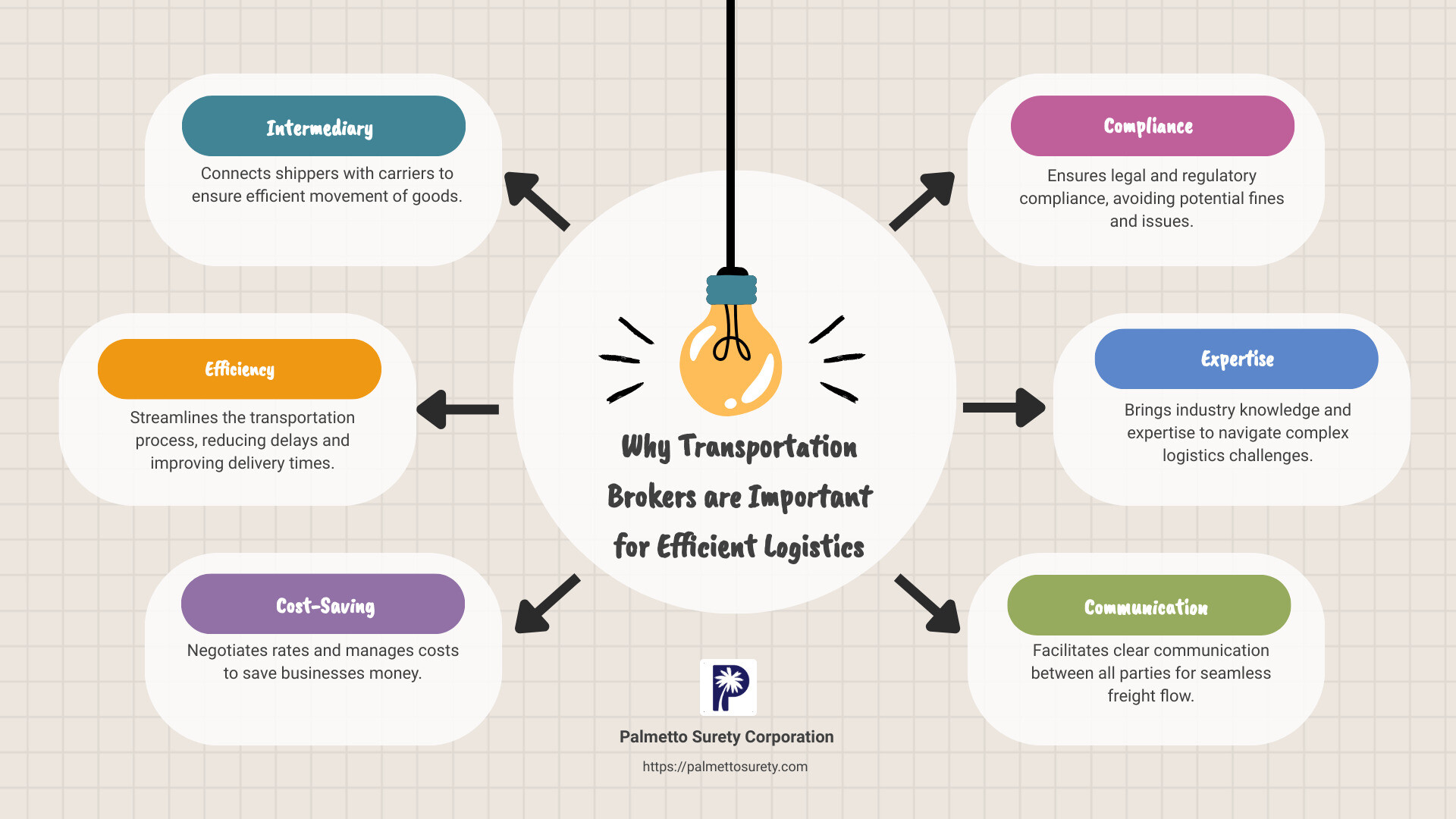
Transportation brokers play a crucial role in connecting businesses with reliable carriers to move goods efficiently. They are intermediaries who ensure that products get from one point to another safely and on time. Here’s what you need to know at a glance:
- Intermediary: Connects shippers with carriers.
- Efficiency: Streamlines the transportation process.
- Cost-saving: Negotiates rates and manages costs.
- Compliance: Ensures legal and regulatory compliance.
The logistics industry is complex, involving many moving parts. The importance of having a transportation broker cannot be overstated, especially when it comes to managing these complexities. Brokers help businesses steer the challenges of freight movement, from regulatory compliance to finding the best carriers for specific needs.
As a seasoned professional in the field, my name is Haiko de Poel Jr. Over the years, I’ve worked extensively with transportation brokers and have seen how they can transform logistics efficiency. My background in marketing and digital change gives me a unique perspective on their importance in today’s world.
What is a Transportation Broker?
A transportation broker serves as an intermediary between a shipper (the company needing to transport goods) and a carrier (the company transporting the goods). They ensure that freight moves smoothly from origin to destination.
Key Responsibilities of Transportation Brokers
Order Tender
The process starts with order tendering. The broker receives shipping orders from the shipper and then communicates these orders to potential carriers. This step involves detailed coordination to ensure all shipment requirements are met.
Load Scheduling
Next, transportation brokers handle load scheduling. They match the shipment with the best available carrier based on factors like route, timing, and cost. This helps optimize the shipping process and ensures timely delivery.
Loading
Once a carrier is assigned, the broker oversees the loading process. They ensure that the goods are correctly loaded onto the transport vehicle, whether it’s a truck, train, or ship. Proper loading is crucial to avoid damage and ensure safety.
Transit
During transit, brokers monitor the shipment’s progress. Advanced Transportation Management Systems (TMS) allow brokers to track the location and status of the shipment in real-time. This transparency helps in managing any issues that might arise during transit.

Unloading
Upon arrival at the destination, brokers coordinate the unloading process. They ensure that the goods are safely unloaded and accounted for. This step often involves working closely with the receiving party to confirm delivery.
Billing
Finally, transportation brokers handle billing. They manage the financial transactions between the shipper and the carrier. This includes generating invoices, processing payments, and ensuring all financial records are accurate and up-to-date.
Transportation brokers play a vital role in ensuring that shipments are handled efficiently and effectively, from start to finish. Their expertise in logistics and their ability to manage complex operations make them indispensable in the supply chain.

How Transportation Brokers Make Money
Transportation brokers act as intermediaries between shippers and carriers, and their primary way of making money is through margins. Here’s a breakdown of how it works:
Margin
The margin is the difference between what the broker charges the shipper and what they pay the carrier. This net margin is essentially the broker’s profit. For example, if a broker charges a shipper $1,000 for a load and pays the carrier $800, the broker’s margin is $200.
Charge Shipper
Brokers charge shippers for coordinating the transportation of their goods. This charge usually includes the cost of the carrier’s service plus an additional fee for the broker’s efforts. The fee covers the broker’s operational costs and their profit margin.
Pay Carrier
After securing a shipment, the broker pays the carrier for transporting the goods. The payment to the carrier is typically lower than the amount charged to the shipper, allowing the broker to retain a profit. The broker ensures that the carrier is paid promptly and that all necessary paperwork is completed.
Net Margin
The net margin is what remains after the broker has paid the carrier and covered their costs. This margin can vary depending on factors such as fuel costs, the complexity of the shipment, and market demand. Efficient brokers often leverage technology and industry relationships to maximize their net margins.
Example: A broker might charge a shipper $2,000 for a long-haul load and pay the carrier $1,700. The $300 difference is the broker’s net margin.
Transportation brokers also benefit from economies of scale. By handling multiple shipments, they can negotiate better rates with carriers and offer competitive pricing to shippers. This balance allows them to maintain profitable margins while providing value to both parties.
Benefits of Using Transportation Brokers
Transportation brokers bring numerous benefits to the table. They save time, reduce costs, and leverage industry expertise to ensure seamless freight flow.
Time-Saving and Cost-Saving
Time is money. Transportation brokers handle the logistics, so you don’t have to. They manage everything from order tendering to billing, freeing you up to focus on your core business.
Cost-saving is another major benefit. Brokers have extensive networks and can negotiate better rates with carriers. This often results in lower shipping costs for you.
Industry Expertise
Brokers are experts in their field. They understand the complexities of logistics and can steer challenges with ease. Their expertise ensures that your freight moves smoothly, even when unexpected issues arise.
Communication is key in logistics. Brokers act as the main point of contact between shippers and carriers, ensuring that everyone is on the same page. This reduces miscommunication and improves efficiency.
Seamless Freight Flow
A transportation broker ensures seamless freight flow by coordinating every step of the shipping process. From loading to transit to unloading, they manage it all, so you don’t have to worry about delays or disruptions.
Advanced Technology in Transportation Brokerage
Technology plays a crucial role in modern transportation brokerage. Brokers use Transportation Management Systems (TMS) to manage loads, track shipments, and provide transparency.
TMS allows brokers to find the best carriers, schedule pickups and deliveries, and monitor shipments in real-time. This technology ensures that your freight is always on track and provides you with regular updates.
Load management and tracking through TMS give you complete visibility into your shipment’s status. This transparency helps you plan better and avoid potential issues.
Insurance and Certifications
Insurance is a critical aspect of freight brokerage. Brokers provide cargo liability coverage, ensuring that your goods are protected during transit. They also offer Certificates of Insurance (COI) to confirm coverage.
Deductibles and coverage limits vary, so understand your broker’s insurance policies. This protects you from unexpected costs if something goes wrong during shipping.
Brokers affiliated with top associations like the Transportation Intermediaries Association (TIA) and National Customs Brokers & Forwarders Association of America (NCBFAA) have undergone rigorous reviews. These certifications ensure that the broker adheres to high industry standards.
Using a transportation broker means leveraging advanced technology, industry expertise, and robust insurance coverage to ensure your freight moves efficiently and safely.
Next, we’ll explore the top 20 freight brokerage companies and what sets them apart.
Important Considerations for Choosing the Best Transportation Broker
When selecting a transportation broker, there are several key factors to consider to ensure efficient and reliable logistics services. Here’s a breakdown of the most important considerations:
Properly Licensed
Make sure the broker is legally authorized to operate. Check for a license issued by the Federal Motor Carrier Safety Administration (FMCSA). You can verify this by entering the broker’s USDOT and MC numbers on the FMCSA website.
Multiple Modes & Services Offered
Look for brokers that offer a variety of transportation modes such as truckload, intermodal, and air freight. This flexibility can provide better pricing and service optimization.
Insurance
Insurance coverage is crucial. Ask if the broker offers a cargo liability policy, and check the deductible. Request a Certificate of Insurance (COI) to confirm the policy is valid. This protects your assets in case of damage or loss during transit.
Certifications
Certifications from top associations can indicate the broker’s commitment to quality and industry standards. Look for affiliations with reputable organizations, as this often involves a review process that vets the broker’s business practices.
Carrier Compliance
Ensure the broker has robust processes for qualifying, onboarding, and reviewing carriers. This helps maintain legal compliance and safety standards. Ask how they monitor carrier performance and handle non-compliance issues.
Subject Matter Experts
Check if the broker’s leadership is engaged in the industry through educational content, board memberships, or active participation in industry associations. This shows a commitment to staying updated on industry trends and best practices.
Operational Model
Understand how your business will be served. Will you get personalized attention, or will you be just another client in a large pool? For instance, some brokers use 1-800 call centers for after-hours support, which may not be ideal for urgent issues.
TMS Technology
Advanced Transportation Management Systems (TMS) are essential for efficient load management, tracking, and communication. For example, companies like Blue Yonder offer TMS solutions that support all transportation modes and provide advanced analytics.
Quality of Service
Evaluate the broker’s ability to provide exceptional service, even when issues arise. Ask for references from current and past customers to gauge their performance and reliability.
Financial Stability
Financial strength is key. If a broker closes its doors, you might be liable for unpaid carrier invoices. Ensure the broker is financially stable to avoid such risks.
Reputation & Years in Service
While not the only factor, a broker’s reputation and years in service can indicate reliability and trustworthiness. Companies like Schneider Logistics, founded in 1935, have a long history of providing dependable logistics services.
By considering these factors, you can choose a transportation broker that meets your specific needs and ensures smooth and efficient logistics operations.
Frequently Asked Questions about Transportation Brokers
What is a transportation broker?
A transportation broker is an intermediary between a shipper and a carrier. Their main job is to help companies move their goods from one place to another efficiently. They don’t own the trucks or the goods. Instead, they find the best carriers to transport the goods.
Example: Imagine you need to ship a large order of furniture from New York to Los Angeles. You contact a transportation broker, and they find a reliable trucking company to handle the shipment.
How do transportation brokers make money?
Transportation brokers make money by charging shippers more than what they pay carriers. This difference is called the net margin.
Here’s how it works:
- Charge Shipper: The broker gives the shipper a price for moving the goods.
- Pay Carrier: The broker pays the carrier a lower price to transport the goods.
- Net Margin: The difference between what the shipper pays and what the broker pays the carrier is the broker’s profit.
For example, if a shipper pays $1,000 to move goods and the broker pays the carrier $800, the broker’s net margin is $200.
What is the difference between a freight agent and a broker?
Freight Agent:
- Works under a licensed broker.
- Does not need a license.
- Focuses on finding clients and carriers.
- Does not take on liability for the shipment.
Freight Broker:
- Must be licensed by the FMCSA (Federal Motor Carrier Safety Administration).
- Takes on liability for ensuring the shipment goes smoothly.
- Handles all aspects of the shipping process, including billing and compliance.
Key Differences:
- Licensure: Brokers need an FMCSA license; agents do not.
- Liability: Brokers are liable for the shipment; agents are not.
- Cargo Responsibility: Brokers manage the entire shipping process, while agents focus on connecting shippers with carriers.
Understanding these roles helps you know who you’re dealing with and what to expect from them.
Conclusion
In summary, transportation brokers play a crucial role in the logistics industry. They act as intermediaries between shippers and carriers, ensuring that goods are transported efficiently and cost-effectively. Brokers handle everything from order tendering to billing, allowing businesses to focus on their core operations.
At Palmetto Surety Corporation, we understand the importance of choosing the right transportation broker. Our expertise in providing freight broker surety bonds ensures that brokers are financially stable and compliant with industry regulations. This gives you peace of mind knowing your shipments are in good hands.
Located in Charleston, SC, we pride ourselves on delivering quick and efficient service. Our team is dedicated to supporting your logistics needs with transparency and reliability. Whether you’re a small business or a large corporation, we’re here to help you steer the complexities of the freight industry.
If you’re ready to partner with a trusted surety bond provider, contact us today to learn more about how we can support your logistics operations.


