


Top 10 Freight Brokers for 2024: A Powerful Career Choice
Freight Brokers vs. Truckers: Which Career Pays More?
Are you wondering whether to pursue a career as a freight broker or a trucker? Here’s a quick comparison to help you decide:
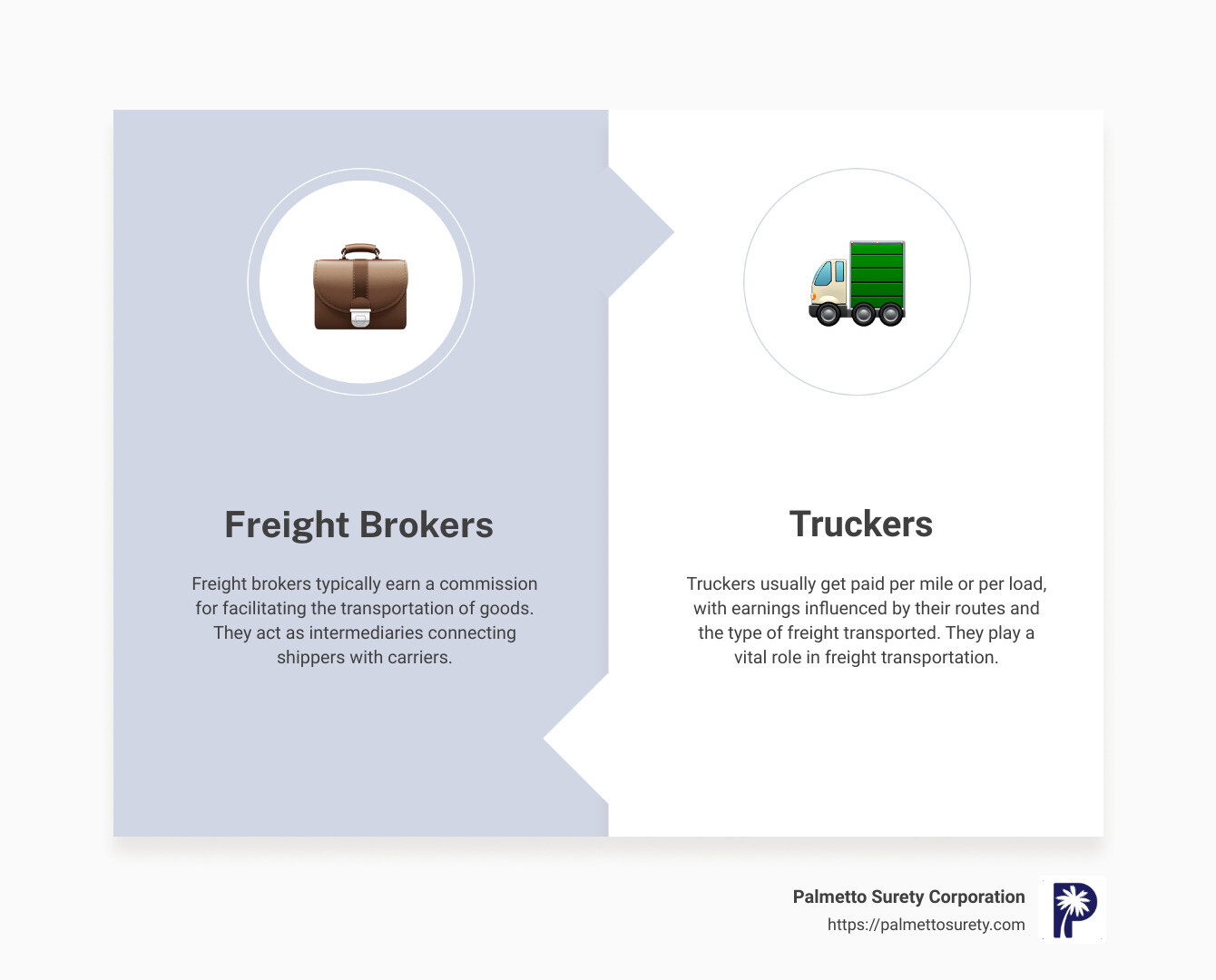
- Freight brokers typically earn a commission for facilitating the transportation of goods. Pay can vary based on experience and the number of transactions.
- Truckers usually get paid per mile or per load, with earnings influenced by their routes and the type of freight.
Freight brokers and truckers play crucial roles in the logistics industry, each with distinct advantages and earning potentials.
Career Comparison:
– Freight brokers: Work as intermediaries connecting shippers with carriers.
– Truckers: Transport goods from one location to another.
Salary Insights:
– Freight brokers can earn anywhere from $40,000 to over $100,000 annually, depending on experience and business volume.
– Truckers‘ annual earnings range between $30,000 and $80,000, but owner-operators can make more based on their workload and efficiency.
Both careers offer unique benefits and come with their own set of challenges. Whether you prefer the negotiation and coordination involved in being a freight broker or the open road as a trucker, each path promises rewarding opportunities.
I’m Haiko de Poel Jr, a seasoned expert with experience in marketing and digital change, including consulting for logistics companies like Palmetto Surety Corporation. Having digd deep into freight brokers, I’m here to offer insights that will help you make an informed career choice.
Now, let’s dive deeper to understand what these professions entail.
Understanding Freight Brokers
Freight brokers play a crucial role in the logistics industry by acting as the middleman between shippers and carriers. They facilitate communication, negotiate deals, and ensure that goods are transported efficiently. This role involves a lot of coordination and problem-solving, making it ideal for those who enjoy a dynamic and work environment.

How Freight Brokers Make Money
Freight brokers earn their income through a combination of net margin and transaction margin. Here’s a simplified breakdown:
-
Shipper Charges: Freight brokers charge shippers for arranging the transportation of their goods. This fee varies based on factors such as distance, type of goods, and urgency.
-
Carrier Payments: On the other end, brokers pay carriers to transport the goods. The difference between what they charge the shipper and what they pay the carrier is known as the net margin.
For example, if a broker charges a shipper $1,000 to move a load but pays the carrier $800, the broker’s net margin is $200. This margin can vary significantly based on the broker’s negotiation skills and market conditions.
Benefits of Being a Freight Broker
Freight brokers enjoy several benefits, making it an attractive career option. Here are some key advantages:
-
Yearly Salary: The annual salary for freight brokers can be quite lucrative. According to industry data, entry-level positions can start around $40,000 per year, while experienced professionals can earn upwards of $90,000 or more.
-
Entry-Level Positions: Getting started as a freight broker doesn’t require a college degree. Many brokers begin their careers with on-the-job training, making it accessible for those looking to enter the workforce quickly.
-
Experienced Professionals: With experience, brokers can command higher salaries and even start their own brokerage firms. This entrepreneurial aspect allows for significant income potential and career growth.
-
Starting Your Own Business: Many successful brokers eventually start their own businesses. This offers the freedom to set your own rates, build a client base, and potentially earn much more than working for someone else.
The combination of a potentially high salary, relatively low entry barriers, and entrepreneurial opportunities makes becoming a freight broker an appealing career choice.
Exploring the Trucking Career
Trucking is a vital part of the freight transportation industry. Truck drivers move goods across the country, ensuring that stores are stocked and businesses can operate smoothly. There are different types of trucking jobs, each with its own benefits and challenges.
How Truckers Make Money
Truckers earn money in a few different ways:
- Per Mile Rate: Many truck drivers are paid by the mile. This means the more they drive, the more they earn. Rates can vary, but experienced drivers often get higher rates.
- Load Payments: Some truckers, especially owner-operators, are paid per load. This means they get a set amount for each delivery they complete.
- Owner-Operator Earnings: Owner-operators own their trucks and can set their own rates. They have higher earning potential but also take on more risks and expenses.
- Company Driver Earnings: Company drivers work for trucking companies. They might be paid by the mile, by the hour, or receive a salary. They usually have fewer expenses than owner-operators.
Benefits of Being a Trucker
Trucking offers several benefits, making it an attractive career for many:
- Independence: Truckers often work alone, giving them a sense of independence. They have control over their schedules and routes, especially if they are owner-operators.
- Travel Opportunities: Trucking allows drivers to see different parts of the country. Long-haul truckers, in particular, travel extensively and get to experience various landscapes and cities.
- Job Demand: There is a high demand for truck drivers. As long as goods need to be transported, there will be a need for truckers. This demand provides job security.
- Salary Range: Trucking salaries can vary widely. According to sources, company drivers can earn between $40,000 to $70,000 annually, while owner-operators can earn significantly more, depending on their routes and loads.

-
Long-Haul vs. Short-Haul: Long-haul truckers drive longer distances and are often away from home for extended periods. Short-haul truckers typically drive within a specific region and are home more frequently. Each has its own set of pros and cons, depending on lifestyle preferences.
-
Truck Ownership: Owning a truck can be a significant investment, but it also offers higher earning potential and more control over work. Owner-operators can choose their loads and set their rates, providing greater flexibility and income opportunities.
In conclusion, a trucking career offers independence, travel, and a steady demand for work. Whether you choose to be a company driver or an owner-operator, there are ample opportunities to earn a good living and enjoy a fulfilling career on the road.
Freight Brokers vs. Truckers: Salary Comparison
Top Paying Companies for Freight Brokers
Freight brokers can earn a good living, and the top-paying companies in the industry reflect this. For example, companies known for offering competitive salaries include those with robust networks and resources.
Average Salaries:
– Entry-Level Positions: Starting salaries for freight brokers typically range from $40,000 to $55,000 per year.
– Experienced Professionals: With experience, brokers can earn between $65,000 and $90,000 annually. Top performers can even exceed $100,000, especially those in managerial or specialized roles.
Salary Growth Potential:
– Companies known for high commissions and bonuses allow experienced brokers to earn upwards of $80,000.
– Some firms offer a structured salary with performance bonuses, leading to potential earnings of $90,000+.
– Others provide a mix of base salary and commission, with top brokers earning over $100,000.
– There are also companies that offer robust training programs and career progression, with earnings potentially reaching $95,000.
– Focus on high-margin transactions allows top brokers to earn significant commissions.
Top Paying Companies for Truckers
Truckers also have lucrative opportunities, particularly with top-paying companies.
Average Salaries:
– Company Drivers: Entry-level company drivers typically earn around $45,000 to $60,000 per year. With experience, this can increase to $65,000 to $80,000.
– Owner-Operators: These drivers often earn significantly more, with potential earnings ranging from $100,000 to $150,000 annually, depending on the loads and routes they choose.
Salary Ranges and Benefits:
– Some companies offer some of the highest salaries in the industry, with drivers earning up to $87,000 per year, plus benefits like health insurance and retirement plans.
– Known for competitive pay and bonuses, drivers can earn around $70,000 to $80,000 annually.
– Provides excellent salaries and benefits, with average earnings around $75,000, plus comprehensive health and retirement benefits.
– Offers competitive pay with potential earnings of $70,000 to $80,000, along with extensive benefits.
– Known for high pay and bonuses, drivers can earn up to $85,000 per year, plus benefits and incentives.
In summary, both freight brokers and truckers have the potential to earn substantial incomes, with top-paying companies offering competitive salaries and benefits. Whether you are just starting or have years of experience, the right company can significantly impact your earnings and career growth.
Factors Influencing Earnings
When comparing the earnings of freight brokers and truckers, several factors come into play. Understanding these can help you decide which career path might be more lucrative for you.
Experience Level
Experience matters. Both freight brokers and truckers see their earnings increase with experience. For example, entry-level freight brokers might earn around $30,000 to $40,000 per year, while experienced brokers can earn upwards of $70,000 to $80,000. Similarly, truckers with more years on the road can command higher rates per mile and more lucrative routes.
Industry Demand
Demand within the industry can significantly affect earnings. During peak shipping seasons, freight brokers can negotiate higher transaction margins due to increased demand. Truckers often see higher per-mile rates during these times as well. Economic booms can also lead to increased freight volumes, benefiting both careers.
Geographical Location
Location is key. Freight brokers and truckers based in high-demand areas like major port cities or industrial hubs often see higher earnings. For instance, brokers in Los Angeles or New York might charge higher fees due to the volume of business, while truckers in these areas might get more frequent and better-paying loads.
Economic Conditions
Economic conditions play a crucial role. In a robust economy, consumer demand spikes, leading to more freight to move. This benefits both freight brokers and truckers. Conversely, during economic downturns, the volume of goods transported decreases, which can negatively impact earnings.
Additional Income Opportunities
Bonuses and Incentives
Many companies offer bonuses and incentives. For example, freight brokers might receive performance bonuses based on the volume of freight moved or customer satisfaction scores. Truckers often get bonuses for safe driving records, on-time deliveries, and fuel efficiency.
Additional Services
Freight brokers can offer additional services like supply chain consulting or managed transportation services, which can add to their income. Truckers can diversify by offering specialized hauling services, such as refrigerated transport or hazardous materials handling, which typically pay higher rates.
Side Businesses
Both freight brokers and truckers can explore side businesses. Freight brokers might start their own brokerage firm, while truckers can invest in additional trucks and hire other drivers, effectively becoming small business owners.
Understanding these factors can help you make an informed decision about which career path to pursue. Whether you’re drawn to the dynamic world of freight brokering or the independence of trucking, each path offers unique opportunities for financial growth and career satisfaction.
Frequently Asked Questions about Freight Brokers and Truckers
Do freight brokers make money?
Absolutely, freight brokers can make a substantial income. Their earnings come from the net margin between what they charge shippers and what they pay carriers. According to industry data, experienced freight brokers can earn between $50,000 to $90,000 per year. Some even exceed six figures, especially if they own their brokerage firm.
A real-world example: A freight broker at a top company like Schneider might earn a higher-than-average salary due to the company’s extensive network and resources. This underscores the importance of choosing the right employer.
Is becoming a freight broker worth it?
Yes, becoming a freight broker can be very rewarding. Here are some benefits:
- High Earning Potential: With experience, you can earn a significant income.
- Flexible Work Environment: Many brokers work from home or remotely.
- Low Barrier to Entry: You don’t need a college degree; training programs are available.
Consider this: A freight broker working for a company like Total Quality Logistics (TQL) benefits from extensive training and a supportive network, making the career even more appealing.
Which freight brokers pay the most?
Several companies are known for offering top salaries to their freight brokers. Here are a few:
- Western Express: Known for competitive pay and benefits.
- King of Freight: Offers substantial bonuses and incentives.
- FreightCenter: Provides excellent earning potential and career growth.
- Schneider: Offers not only high salaries but also extensive training and support.
- efreightShip: Known for rewarding performance with bonuses and incentives.
Choosing a top-paying company can significantly impact your overall earnings and career satisfaction.
Next, let’s dive into some common questions about truckers and their earnings potential.
Conclusion
When comparing careers between freight brokers and truckers, it becomes clear that each path has its unique advantages and challenges.
Freight brokers act as vital middlemen, connecting shippers with carriers and ensuring smooth communication and transactions. They can earn a substantial income, especially when working for top-paying companies like Western Express and Schneider. The flexibility to start your own brokerage also adds an entrepreneurial edge to this career.
On the other hand, truckers enjoy the independence and travel opportunities that come with transporting freight across the country. Whether as owner-operators or company drivers, truckers can earn a steady income, with additional perks such as bonuses and travel incentives.
In summary, the choice between becoming a freight broker or a trucker largely depends on your personal preferences and career goals. If you enjoy problem-solving, communication, and have a knack for logistics, a career as a freight broker might be more fulfilling. Conversely, if you love the open road and value independence, becoming a trucker could be the better fit.
At Palmetto Surety Corporation, we understand the intricacies of these careers and are committed to supporting freight brokers with our freight broker surety bond services. Our goal is to help you succeed, whether you’re just starting out or looking to grow your existing brokerage.
Whichever path you choose, both careers offer rewarding opportunities and the potential for financial stability. Make an informed decision based on your strengths and preferences, and you’ll be well on your way to a satisfying career in the freight industry.


